Saturday, March 21, 2020

Practical Skills to Teach at Homeschool

When I was a kid, a lot of schools used to offer a class to graduating seniors called "Senior Survival" or something similar. It included a lot of what we would now call "adulting skills": How to balance a checkbook, how to look for an apartment, how to behave at a job interview, how to change the oil in your car. This school shutdown is a great opportunity to teach your kids some practical life skills. Here are some suggestions of what you might want to teach them, along with some resources if you need to learn those skills alongside them!

Home Ec
Cooking: If you're not a big cook, or if you just want to include more theory and background to cooking lessons, Alton Brown has lots of great videos. He approaches cooking from a much more theoretical, chemistry- and science-based direction than most chefs, which kids often find really interesting. Kitchen safety is important, so Chef Ann Butler has a great video teaching kids to use knives safely and properly in the kitchen. Gordon Ramsay has a series of (often hilarious) videos teaching his daughter Matilda to cook. If you only know Chef Ramsay from Kitchen Nightmares and Hell's Kitchen, you really need to watch him cook with his kids. It is - and they are - completely adorable. I even have a blog entry or two of my own with some good recipes to cook with very little ones. Here's a good tip for parents of picky eaters: they'll often try a food they cook (or help cook) themselves that they'd never try otherwise.

Sewing: You don't have to be a tailor or even own (or know how to use) a sewing machine to learn to do basic hand sewing, like replacing a button, shortening or lengthening a hem, or mending a tear. Sewing.com has a great summary of different types of hand stitches for when you're ready to get a little fancy, or at least learn a few different techniques. Videos may be helpful, but I like their photographic illustrations, so you can really look closely at what they're doing and not try to keep up with a video.

If you do have a sewing machine and want your kids to learn to use it (or learn to use it yourself) or to use it better, there are plenty of online tutorials ranging from really basic beginners to quite advanced. Once again, Sewing.com has a great page with links to "essential sewing techniques" ranging from threading the machine to putting in zippers to adding gussets to sewing without a pattern. Whatever level you and your kids are at, there's something you can learn and use at this site.

Home Repair
Maintenance: Teach your kids some simple home maintenance tasks like changing a lightbulb (and what to do if it breaks), changing a fuse or flipping a breaker (this is a good time to label your breaker box together if you've never bothered!), cleaning your clothes dryer vent (you know you don't do it as often as you should!!), spackling a hole in the wall, changing the filter in your furnace or air conditioning system or refrigerator water dispenser (check the manufacturer's website for the best information), and changing the batteries in your smoke alarms and carbon monoxide detectors.

Repairs: Replace the washer in a dripping sink, regrout a floor, fix a loose bannister, repair a loose tile. Whatever little jobs need doing around the house, get your kids to help you with it.

Cleaning
Laundry: Basic laundry tasks, including sorting (and why some clothes are washed in hot water and some in cold), stain removal, hand-washing delicates, are always good to know. Tide, not surprisingly, has a good basic laundry primer that explains much of the above. And the Old Farmer's Almanac has a comprehensive guide to removing different types of stains, including blood, grease, lipstick, grass, mildew, and more. Don't forget to teach them how to fold and hang the clothes when they're done! Getting them to put them neatly away in their drawers is another story altogether...

Cleaning a Bathroom: Which products to use, which tools to use, what needs to be done weekly (scrubbing the toilet and tub, emptying the trash, wiping out the sink, cleaning the mirror) and what can be done periodically (like scrubbing grout and washing the shower curtain). If they have their own bathroom (or one they use more than the rest of the family), put them in charge of keeping it clean on a regular basis. Win-win!

Loading the Dishwasher: You probably have your own preferred system of what fits best where; teach your kids how to do it - and be sure they understand that unloading and putting away is part of the deal! Don't forget to teach them which items need to be hand-washed, and how to do that safely, too.

Auto Maintenance and Repair
Changing a Tire: Once again, go to a manufacturer like Bridgestone for the best information and videos. One of the first things my dad did when I got my learner's permit was to teach me to change a tire - and to show me how to use a pipe to extend the jack handle so I could get the lug nuts off! I still carry a pipe in my trunk for this reason. Teach them to periodically check their spare and be sure it's in good working order, too. Nothing worse than getting a flat in the middle of nowhere and then discovering your spare is also flat.

Changing the Oil: This one is a little more complicated, as not everyone has a nice flat driveway or garage to change their oil in, or ramps and a dolly to aid in getting under the car. But if you do change your own oil, teach your kids to do it, too.

Changing the Fuses: Right after I graduated from college, I was working in Boston, and on my way home from work the guy in front of me wasn't paying attention when the light changed, so after a few seconds I gave him a friendly little beep of the horn. Except that my horn jammed on and I had to pull over. All I could think to do was to disconnect the battery. Fortunately, a friendly passer-by told me I could pull the fuse so I could drive to a mechanic and get it fixed. Consult either your car's user manual or the manufacturer's online site for specifics on your car. Also, be sure to point out what items share a fuse. In my car, the horn and the brake lights were on the same fuse, so it was very important for me to know I had no brake lights while driving in Boston traffic!!

Jumping the Battery: Meineke has a good video and written explanation of how to jump-start a car with a dead battery. Be sure your kids know where the jumper cables are, and the portable charger, if you have one. If you have a car with manual transmission, teach them how to roll it and pop the clutch, too.

Financial Planning
Budgeting: Dave Ramsay has lots of fabulous tools for teaching kids how to handle money wisely. If you have a family budget, talk your kids through it. I still remember when my parents sat us down with the clear plastic pill bottles that my dad kept cash in in his dresser and showed us exactly where our money went each month. We started with Dad's monthly paycheck, then set aside money for set monthly expenses: mortgage, utilities, gas, insurance, church tithe, groceries, the kids' allowances. Then we looked at what was left and thought about what we could spend it on: how much on clothes and shoes, how much for going out to eat or to the movies, how much for projects around the house. And how much of it should go into savings for long-term goals and periodic expenses like vacations, college funds, car repair, buying a new car at some point, larger home repair projects. It was a good, tangible picture of where our money went and why my parents didn't just go out and buy us the expensive stuff we wanted.

Filling Out Tax Forms: At some point your kids will get a job and need to fill out a tax form. Walk them through it with sample numbers and explain what kind of information is required. Take a look at your state form as well. Go over what types of things - charitable donations, capital gains and losses, investments, interest, etc. - can affect how much tax you pay, and talk about how your W-4 can affect how much of your paycheck is withheld, which in turn affects the size of your tax refund or bill.

Savings and Investing: Depending on your kids' ages, talking about saving money could be anything from giving them a piggy bank or coin jar and an allowance to helping them to set up an IRA or 529 plan. Talk about the advantages of each. If you have a financial planner, he or she may have resources that explain different investing strategies and methods.

General Life Skills
Writing a Resume: Show your kids your own resume and explain what each section tells an employer about you and your experience and background. This site walks kids through writing their own resume. Even as a teen applying for their first job, your kids will be ahead of the curve if they walk in the door with a nicely-written resume in hand.

Going to a Job Interview: Here's a good video geared specifically for kids going to their first job interview. Hold a mock interview with your kids and critique it together afterwards. And let your kids interview you, too - be a good example of professional behavior.

Getting an Apartment: This is a good followup to your budgeting discussion. Give your kids an imaginary income and have them figure out how much they can afford to spend on rent each month. Then look online to see what kind of housing is available in your area for that price. Think through the factors you should consider when choosing an apartment. Is it in a safe neighborhood? Do you really need a 2-bedroom apartment? Is there sufficient parking if you plan to have a car, or is there good access to public transportation if you don't? Are utilities included or do you need to budget for those as well? This article covers a lot of good questions to think about, including how to understand a lease before you sign it. And don't forget to talk about the importance of renter's insurance!

What to Do After a Car Accident: At some point in time, nearly all of us will be involved in a car accident, and statistically, it's most likely to happen while we're young, inexperienced drivers. I had my first accident during a driving lesson before I even got my license! For the record: it was not my fault - I was rear-ended at a stop sign by an incredibly embarrassed and apologetic woman. But it was the best thing that could have happened, because there were no injuries or damage other than a few paint smudges, and my instructor patiently walked me through what to do. Make sure your kids know where the car registration is kept and to always keep their licenses with them.


What other skills did you learn the hard way as an adult that you wished you'd picked up earlier in life? Teach your kids those!


Bookmark and Share

Friday, March 20, 2020

Love in the Time of COVID-19

There are a number of occasions in my life prior to this moment that remind me a little, in some way or another, of the crisis that is happening now.

In February 1978, when I was about 7 years old, the "Blizzard of '78" hit New England. Schools were closed; my dad was home from work for a week; no-one could get to the grocery store; power was out for several days. I'm sure my parents were concerned about how long we would be trapped in our house, how we could manage for food, whether we had enough firewood to keep warm until the power came back on. But my sister and I loved staying cozy by the fire, sledding down the hill in our backyard, building HUGE snowmen, playing with neighborhood friends, having dad home!, and otherwise thoroughly enjoying our unexpected vacation.

In September 2001, my sister and I were on a cruise ship, pulling into the harbor in Bermuda, when all the channels on the ship's video system abruptly changed to coverage of New York City, where planes had just crashed into the two World Trade Center towers. Many of our fellow passengers were from the NYC area, and the cruise line and ship's personnel immediately made free email and ship-to-shore phones available to everyone so they could check on their loved ones. Strangers passing in the hallways would grab one another's hand and ask if they were all right. Even silent smiles of support were passed back and forth. There was an unspoken camaraderie among all the passengers, an unspoken agreement to still have fun, but not so much fun as to cause guilt among those still waiting for news. For those few days, we all had a connection.

In April 2013, I was in the area that was locked down as the Boston Marathon Bombing suspects were hiding out in residential areas. I had two small children and had no idea whether I would be able to get milk and other necessary supplies before the suspect was found. But I was reassured when I saw footage of police officers delivering milk to similar families, and neighbors offering each other supplies. The lockdown didn't last that long, but we all had the feeling that we would work together to be sure everyone came through the ordeal unscathed.

In every case, people around me displayed the best of human behavior: helping, sharing, supporting, loving.

Although we are seeing much contrary behavior on the news, with people hoarding supplies, students on spring break ignoring recommendations of social distancing in order to drink and party, people with known exposures to patients with the virus and people with clear symptoms of the virus - even people who have been formally diagnosed with COVID-19!! - shrugging off CDC guidelines and going about in public, even with all that selfish and ill-advised behavior, if you look, there is still lots of kind, compassionate, and loving behavior on display. People offering to pick up supplies for elderly or at-risk neighbors, teachers offering online assistance for parents struggling with homeschooling, home sewers offering to make masks for medical personnel, school cafeteria workers packing lunches and dinners for families with children who depend on the free school lunch program, Meals on Wheels volunteers cheerfully continuing to make their deliveries, online tutoring companies offering free subscriptions for homeschooling resources.

As Fred Rogers' mother said, "Look for the helpers. You will always find people who are helping." No matter how terrible and difficult this pandemic becomes, there will always be helpers. Neighbors, medical workers, teachers. People. All kinds of people. People offering money. People offering skills, People offering time. People offering love.

Love. That's really what it all comes down to. There are always helpers, because there is always love.

I charge each of you who reads this: Show love to someone today. Show love to your children. Show love to your parents. Show love to your spouse. Show love to your neighbors. Show love to a stranger.

Love one another.


As Peter said, "Above all, love each other deeply, because love covers a multitude of sins."
(1 Peter 4:8)

Love one another. 


Bookmark and Share

COVID-19 Lesson Plans, Day 5

TGIF!! We finally made it to Friday!

Yesterday was kind of a light day, but I think we could still use a less intense today today, so I'm thinking we'll do some good hands-on projects. It's another dreary day, and although it's supposed to be rainy off and on, the temperatures could go up to nearly 70, so hopefully we can get some outside time in somewhere.

7-8:30am: Relaxation and breakfast. Both kids were up between 6:30 and 7, and I'd been awake since 5:15, so we all enjoyed a very laid-back breakfast and getting ready time.

8:30-8:45am: Penmanship. Both kids had worked through all the letters that they struggled with, so I opted to work on sentences instead of individual letters. My son needs practice with spacing between letters and between words, and my daughter needs practice in joining cursive letters, so I had them copy the sentence, "The quick brown fox jumped over the lazy dogs" multiple times.

8:45-9:30am: We missed a couple of the Facebook Live presentations by the Cincinnati Zoo, so we went back and watched their presentation of an ocelot. Then we played a game where I gave them a description of an animal feature and they had a minute or so to list every animal (including mammals, amphibians, reptiles, birds, fish, etc.) they could think of that fit that category. Our categories were: animals with stripes, animals with spots, animals with sharp claws, nocturnal animals, herbivores, tree-dwellers, predators, good swimmers (not counting full-time water-dwellers like fish and marine mammals!), animals with good hearing, and (just for fun!) animals that are really weird-looking.

9:30-10am: Physical Education. From our school's website's list of math games, we timed ourselves to see how many repetitions of a given movement we could do in 60 seconds.

10-11am: Science and Oral Presentations. The kids requested doing research on hamsters (we have a pet hamster), so I suggested they do some research and take notes so they could do a presentation to me. They used their Chromebooks to research facts, and put the hamster in her playpen so they could observe her behavior. They cooperated quite well together, including deciding that my daughter, who writes faster and more neatly, would take notes while my son, who has better computer skills, searched for information. They decided to do separate presentations, and practiced speaking slowly and clearly, and standing without fidgeting or wandering around. That's harder than it sounds when you're 8 and 10 and have a LOT of energy!! Our favorite word that we learned was "crepuscular," which means most active at dusk. Also of note: Ryan's presentation was 7 pages and 20 minutes long; Katie's was 2 short paragraphs and about 40 seconds long. They're basically gender-swapped Hermione and Ron.

11-11:30am: Art. My son wanted to work on his recycled art from Monday; my daughter chose to watch one of Mo Willems' Lunch Doodles. I got Mo playing on her Chromebook and stocked her with paper, magic markers, and pencils, and then I gave my son a lesson in using a glue gun safely. I probably should have made him watch this tutorial instead!

11:30-11:50am: We listened to the last two chapters of "Stone Fox," chapters 9 and 10, then we talked about the book for a little bit. We discussed main and secondary characters; why the author might have chosen the title that he did; what difference the setting of the story made, both time and place;  the reasons that sad books have value, especially for young readers; and what they liked and disliked about the book.

11:50am-1pm: Lunch break and free time! My daughter spent a good bit of her time listening to the soundtrack of Frozen 2 and my son played video games. It's all good.

1-1:45pm: Student's Choice. It has to be something they can do independently and quietly, like reading, researching a topic of choice, writing a poem or a letter, or watching an educational video with headphones. The 3rd-grader chose to write a story; the 4th-grader is reading "Percy Jackson: The Last Olympian," by Rick Riordan. The latter is what I've been reading to him at bedtime, so I'll have to find some time to catch up before he goes to be tonight or I'll be all confused! This session was originally planned to go only until 1:30, but both kids asked to stretch the time a little longer, so we did.

1:45-2:15pm: Dance. We practiced our choreography for my niece Kayla's dance challenge video! It's hard, but we're all getting better. We talked about how to best learn it, from practicing at slower speeds, to repeating shorter segments, to "woodshedding" particular steps that we were struggling with, to simplifying steps that continually throw us off. It was a good chance to talk about how people learn differently and struggle with different things, and how important it is to be patient with people who don't catch on as quickly as we do.

We're knocking off early today, although I'll probably get them both to help me make supper (once I decide what it is!), so that counts as home ec time.

Congratulations, we made it through the first week! Happy weekend!


Bookmark and Share

How Do I Homeschool Without Losing My Mind?

Many parents are now 4 or 5 days into trying to make sure their children's education doesn't completely fall by the wayside during the current school closures. It was hard from the beginning, but it's getting harder, isn't it? Homeschooling - at any grade level, for any number of children, with any kind of background or training, and while trying to juggle any other responsibilities - is not for the faint of heart. But take courage! Here are some of the tips and tricks that got me through my earlier homeschooling years and that are continuing to help me survive now.

Set a Schedule
Having some kind of structure is a huge help in organizing your thoughts and your lesson plans. Here's the one I'm working from:

7-8:30am: Get up, get dressed, have breakfast, clear breakfast dishes, brush teeth and hair, free play.
8:30-9am: Penmanship.
9-10am: Morning walk or other exercise. Snack afterwards if needed.
10-11am: Math, English, social studies, and/or science.
11am-noon: Creative time - drawing, painting, building, cooking/baking, music.
noon-1pm: Lunch break, free play time (electronics allowed).
1-1:30pm: Quiet reading to self.
1:30-2:30pm: Art, music, science, drama.
2:30-4pm: Math, English, social studies, and/or science.
4-5pm: Play outside or indoor quiet indoor play (electronics allowed).
5-6pm: Help make dinner, set table, wash up, pour beverages.
6-6:30pm: Family dinner, clear dinner table.
6:30-8pm: Free time.
8-8:30pm: PJs on, brush teeth, reading time with Mom or Dad, lights out.

Depending on how you and your kids work, your schedule may look completely different. Maybe you'd all rather sleep till 10am and do some schoolwork in the evening; maybe you'd rather work on a single subject for an hour but only every other day; maybe 20 minutes per subject is all you can absorb. The important thing is to start with some kind of organization and then go from there.

Don't Get Too Attached to Your Schedule
Flexibility is as important as organization, so keep in mind that your schedule doesn't need to be hard and fast. If you find your kids are most attentive first thing in the morning, move the tougher subjects to an early slot. If they flag in the early afternoon, put your exercise break there - or add a short naptime! And schedule changes don't need to be permanent - you can make a change for just one day based on your situation and go back to your usual schedule later.

This flexibility is most important in the early stages as you figure out what works for your family. Why would you know that your kids can only handle 20 minutes of math at a time, or that they get hangry at 9:23am on the dot, or that they ALWAYS do music on TUESDAYS and drama on FRIDAYS?? Watch how your kids handle each segment of the day and adjust to what works for them - and you.

Don't Reinvent the Wheel
The beauty of the internet is that there are lots of not only fellow homeschoolers but educational professionals who post TONS of helpful lessons and curricula online. Don't feel like you have to figure out what you should be teaching your kid. Take advantage of what's out there. Most postings include grade level information. Lots of tutoring sites are opening free versions that include worksheets, quizzes, and explanatory videos. Use them!

Don't Be Afraid to Say You Don't Get It
Our generation learned what are kids are now learning with completely different techniques. Your kid would be as baffled by long division as you are by Common Core Math. Don't be afraid to tell them you don't know what you're doing! Teach them how to research the answer and learn how to do it together. Trust me, if your kid catches on before you do, they'll be pleased as punch and proud as a peacock. Let them teach you something. You'll both be better for it.

Enrichment is Important, Too
Education doesn't have to be strictly lectures and quizzes. Take advantage of the many online virtual tours, zoo and aquarium presentations, drawing and dance lessons, science experiments, and storytelling videos that are out there. If you are trying to work from home while also managing your kids' education, find some longer videos or some Facebook Live presentations that give you half an hour or more of letting the kids sit in front of a screen. The Atlantic White Shark Conservancy is offering a daily story program at 10am EST every day, with accompanying worksheets and projects; the Cincinnati Zoo features one of their animals each day at 3pm, with a keeper talking about the animals and answering questions; author and illustrator Mo Willems offers a daily 1pm "Lunch Doodle"; and several other authors, including Mac Barnett and Oliver Jeffers, will be posting daily readings of some of their own books.

This site has a great calendar of these and other similar online events. 

Ask For Help
Many of my teacher friends have posted their credentials and grade level and subject experience on social media and offered to help any parents who are struggling. Don't be afraid to contact your kids' teachers, or any other teachers you know, and ask them for help and advice! Teachers who work in the same school system as your kids are invaluable, since they are familiar with the exact curricula your kids are using and will know what resources coordinate with them. Even if your school system isn't doing formal online learning, many teachers are publicizing resources that align with what your kids have been working on in school. And if they haven't, contact them and ask for recommendations!

Don't Beat Yourself Up
The most important thing is not to let yourself feel like you're failing. Anything the kids learn is better than having them just sit around playing video games all day (which, let's admit, is what they would do if you let them). Even if you throw in the towel on "school" stuff, teach them whatever practical skills you know. Teach them to do laundry, change a tire, hang a picture, balance a checkbook, fix a leaking faucet, strip and make a bed, knit, rewire a light switch. Whatever you know how to do, teach them how to do it, too. After all, 30 years from now, when they're telling their kids about how they were home from school during the great pandemic of '20, they won't remember that you taught them their 8-times table, but I bet they'll remember that you washed your car together, or played 16 straight hours of Monopoly, or watched the 2004 World Series.

Oh - and every once in a while, take the day off. They need it nearly as much as you do!!


Bookmark and Share

A Quarantine Meditation: Enough

Yesterday was a hard day. Everyone was a little out of sorts. After nearly a full week of togetherness, we were, quite frankly, getting on each other's nerves.

I went to bed at 9:30 partly because I was exhausted and partly because the damn day just needed to be OVER.

So when I woke up this morning and the clock only read 5:15, it wasn't nearly as painful as it had been yesterday morning when I also woke up at 5:15 but hadn't gone to bed until about 12:15. In fact, when I slipped out of bed, grabbed my bathrobe, and tiptoed downstairs, it felt kind of nice.

I turned the kitchen light on low, grabbed my favorite mug (Edna Mode), chose one of my favorite K-cup flavors (Starbucks toffeenut), and sat down with my mug of coffee to enjoy the peace, and quiet, and darkness.

This moment is a small blessing among a sea of struggles this week, struggles that many of us are dealing with.

Fear.

Uncertainty.

Frustration.

Anger.

So many parts of our lives that we had organized, arranged, mastered, now changing and unfamiliar and needing our attention. No longer do we spend an hour getting our kids ready for school and then not having to deal with their needs for 8 hours. No longer do we head in to work and use familiar equipment and techniques to handle our daily responsibilities, but instead we struggle with slow connection speeds, lack of our usual supplies, software that doesn't work at home the way it worked at work. No longer can we make a quick run to the grocery to pick up that one little thing we need for supper, but instead we have to deal with what we have on hand. No longer can we decide not to make supper tonight, but instead to just go out for dinner. Everything is different. Even when we're managing it well, it takes our focus and our attention in a way it didn't before.

But this is where we are now. This is how life works, for now.

So how do we deal with now?

For me, I'm dealing with it by telling myself that doing the best I can is enough. Teaching my kids something every day is enough, even if it's not what they would have been learning in school. Letting the laundry pile up a little is okay, as long as we all have clean clothes every morning. Making a dinner that everyone will eat and that contains at least some element of nutrition is enough, even if it's not what I would have preferred to make. One of my favorite sayings is, "Enough is as good as a feast." And it's true - enough is plenty. Enough is enough.

So I sit here in the dark, when I could be planning out today's lesson, or scouring my pantry for meal ideas, or sewing the costume I started before this all happened, or running a load of laundry. I could be going beyond "enough." But instead, I'm enjoying the quiet, enjoying my coffee, enjoying the birds singing, enjoying waiting for the sunrise, enjoying taking refuge in the pleasure of putting words down on a page. I'm refreshing myself by letting enough be enough.

And I am reflecting on these beautiful words of comfort, which have always been a reassurance to me in times of uncertainty in my life:

"For I know the plans I have for you," declares the Lord,
"plans to prosper you and not to harm you,
plans to give you a hope and a future."
(Jeremiah 29:11)

It's enough. 


Bookmark and Share

Thursday, March 19, 2020

COVID-19 Lesson Plans, Day 4

It's raining.

I stayed up late last night.

None of us slept very well.

All of us woke up with itchy allergy eyes.

All these factors combined to make me decide that today will be a much looser learning schedule. One of the most important things I learned while I was homeschooling was that having a day like this on a regular basis is a really, really good idea. Unless you're homeschooling 20 kids at once (shudder), homeschool is simply more efficient than classroom learning. You're not dealing with talking over 20 other voices, you don't spend 10 minutes in transition time 5 times a day, you don't have as many disruptions, you're not trying to explain concepts in a way that makes sense for kids with 20 different learning styles. The nature of homeschooling is such that you get more done in less time. That's simply a fact. So take advantage of being able to use that "saved time" as a mental vacation now and then! You and your students will be able to learn all the better for it.

So.

This was today's schedule.

7-8am: Rolled out of bed. Didn't bother to get dressed or brush hair. (I did get dressed, but I'm not wearing a bra. Don't judge me.) Watched a little TV, goofed around with video games. (Not saying whether that was them or me.)

8-8:30am: Cooking. Last night, I stumbled across a cooking show called "Back to Back Chef," where a professional chef (Gordon Ramsay and Bobby Flay were both featured) teaches an amateur chef to make a dish in 15 minutes. The twist is that the two cooks are back to back so they can't see each other, and the professional chef has to walk the newbie through making the dish using only verbal descriptions. It inspired me to try to walk my own kids through making scrambled eggs for breakfast this morning. I did watch what they were doing, but I did my best to avoid actually grabbing the spoon and helping out (with varying levels of success). But the kids did a really good job! And the eggs were delicious. A practical lesson that they'll use often (if I have anything to do with it), and one that had an immediate and tangible reward - breakfast!

8:30-9am: Breakfast. We all had a leisurely breakfast, then cleaned up our dishes.

9-10am: Filmmaking. I challenged each kid to think of something they know how to do that they could teach to other people in the form of a short video, much like the videos I've posted so far. My daughter, the artist, chose to teach how to draw eyes in anime style, and my son, the musician, chose to teach how to play the theme song of one of his favorite video games on the piano. I had them sit down and write up a rough draft of a script, along with sketches of what they might draw or show. I figured I would have to help them record it, but they both pulled out their Chromebooks and recorded themselves without any help from me. Ah, the joys of being born in the age of technology.

10-10:15am: Music. Our friend Tracy O'Farrell, a singer and actress, is doing a daily circle time for kids (for those of us who remember "Romper Room," it's a bit like that). Today she also read "Don't Let the Pigeon Drive the Bus," by Mo Willems, a big favorite in our house. My kids are a little older than her target demographic, so we didn't stay for her whole presentation, but we still had fun with the songs (many of which I knew, but had forgotten over the years).

10:15-10:45am: Dance. My husband's family has run a dance studio for over 100 years, and my niece posted a "dance challenge" from the studio in which she teaches choreography to a remix of Ray Charles' "Hit the Road, Jack." Our whole family - even my husband, who had a short lull in his work schedule - learned and practiced the choreography. It was obvious that my husband and daughter are the natural dancers in the family, but my son and I - both strong "movers" with a really good sense of rhythm - could do the moves, but didn't pick up the sequences quite as quickly. But a little more practice and we'll all be ready to record! I've already promised to come up with some kind of family costume. There will definitely be hats. Ray Charles music is definitely hat music.

10:45-11:15am: Spelling. My 3rd-grader struggles with spelling, so I selected from this list and the successive ones on that site, choosing words that she's familiar with but would likely have to think about. My 4th-grader, who is a voracious reader and therefore a very good speller, started at the beginning of this list, which is actually 7th grade words, and skipped through the successive lists as well. I tried to choose really challenging ones for him, as well, but it's tough because he almost never misspells a word once he's read it. (The only words he missed were "embarrass" - that sneaky double R! - and "unconscious" - that sneaky SC!) We took turns, modified spelling bee style, with me reading the word and using it in a sentence, providing a definition if requested, and giving each child a point for every correct word. They were allowed to write the word down before giving their official answer, and if they missed it the first time, they got a second try. Since they're at very different levels, I didn't have them attempt to spell the words the other missed. After two incorrect attempts, I gave them the correct spelling. Final result: 3rd-grader, 12/15; 4th-grader, 13/15. The correctly-spelled word that clinched the whole thing was "mispronunciation." (I told you he was good.) The winner won the right to choose what we bake as a treat this afternoon. See below to find out what he chose!

11:15am-1pm: Lunch and free play. Electronics allowed. It's a good day to be chill and take a nice long lunch break.

1-2pm: Reading. We started by listening to chapters 67, and 8 of "Stone Fox." Then the kids were allowed to read whatever books they chose for the rest of the hour. Well, one of the children was copping an attitude and got sent to his room without electronics, so I'm not sure if he read or not. But that was probably the least boring of his options, so I suspect he did. Don't tell him he got a punishment that was doing what he was actually supposed to be doing during that time period anyway.

2-3pm (or whenever we finish; I'm posting this as we're getting started). Baking. I told my son that as a reward for winning the spelling contest, he could choose what we bake as a treat. His first choice was pumpkin pie, but unfortunately I don't have evaporated milk on hand (required by his favorite recipe), although we've ordered some, so I promised pie in a day or two. Other options were various kinds of cookies, brownies, or cake or cupcakes, especially something made with one of the mixes we already have on hand (I'm trying to save our flour for baking bread). He found a Duff Goldman tie-dye cake mix I'd forgotten we had, so we're baking a cheerful rainbow cake. Much like breakfast this morning, I plan to let the kids do the majority of the work, with me providing mostly directions and safety guidance (e.g., don't lick the beater while it's running!).

We'll end our school day early today. Tomorrow we'll do more, but it was nice to have a light, flexible day today.


Bookmark and Share

Best STEM Projects for Homeschooling

(Thanks to my cousin Jenn for the topic suggestion!)

When I was homeschooling my son for kindergarten, we did tons of simple STEM experiments: rolling different-shaped objects down ramps, making dyes with natural materials, testing chemical reactions (yes, of course there was a volcano!). But now that my kids are older, we can get into some more involved experiments. Here are some of the coolest ideas that we're thinking about experimenting with!

Electrolysis of Water: Make electricity by splitting apart water molecules into hydrogen and oxygen  in water using baking soda, salt, a lemon, and dishwashing liquid.


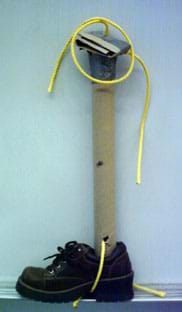
Build a Prosthetic Leg: Design a simple prosthetic leg from simple materials, keeping in mind both structure and comfort. Materials could include a toilet plunger, an old broomstick, a small baseball bat, a large sponge, an old bedsheet or other large piece of fabric, a small pillow, duct tape, twine. 

Chemical vs. Physical Changes: Start by watching the video, then download the DIY activity guide and try the experiment! The site includes lots of links with additional reading and background information. 


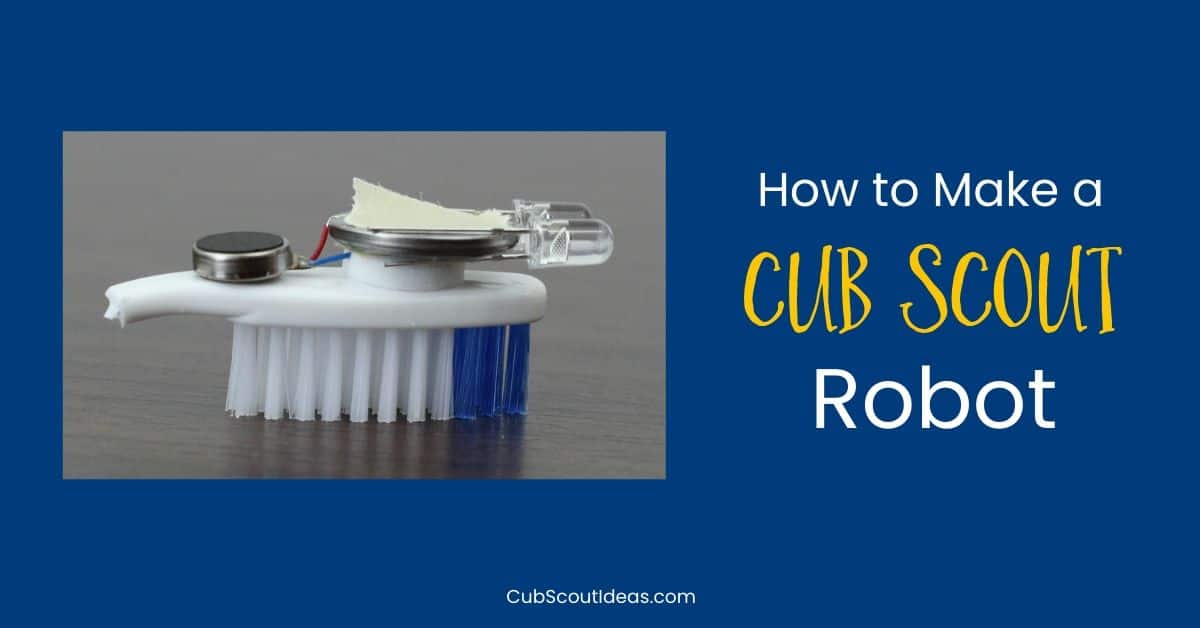
Build a Miniature Robot: You will need to order a few supplies that you probably don't have on hand: a 10mm cell phone or pager motor, a 3-volt coin battery, double-sided adhesive foam pads, and small LED lights. If you make multiple robots, you can also build them a battle arena - if not, try making an obstacle course!

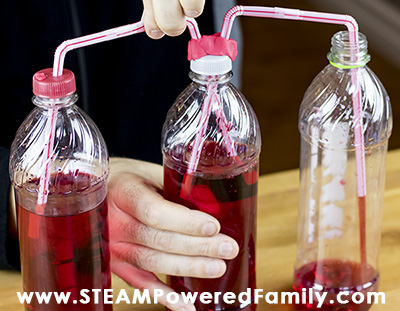
Make a Working Heart Model: You need 3 water or soda bottles (at least 2 with caps), 4 bendy straws, water, food coloring, tape, modeling clay or play dough, and something sharp and pointy to pierce the caps (a sharp pencil or a large drill bit or awl will work). Start by talking about how the heart works and listening to each other's hearts (since you probably don't have a stethoscope on hand, a paper towel tube will work in a pinch).

Make a 3-D Hologram: Start by reading about how holograms work. Then just cut out 4 pieces of clear, thin plastic as shown in the video and place on a tablet or laptop screen. So cool - and easy!

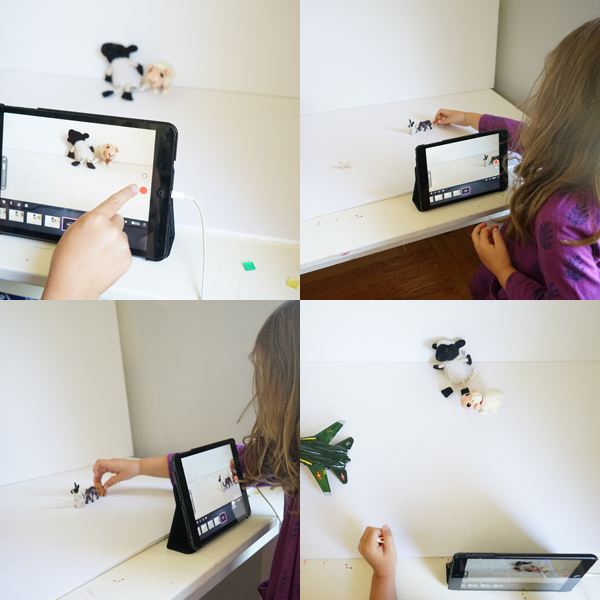
Create Stop-Motion Animation: If you have a tablet computer and are willing to download a free animation app (Stop Motion Studio is one, but there are others out there), this is a fun project, especially if kids use their favorite dolls and figurines as the "actors". You can also paint your own backdrop, or just use a blank wall.

And let's not forget the experiment I did for my kids yesterday, illustrating capillary action!


Bookmark and Share

Wednesday, March 18, 2020

Lesson Plans: Day 3

Facebook keeps marking my blog posts as spam due to the "C-word" in the title, so I'm deleting it for the day. Hopefully FB will get their spam algorithm straightened out quickly! Anyway, today's lesson and schedule has been adapted based on how our last two days went. The biggest change has been the focus on math for my daughter. I realized based on yesterday's less-than-successful "math sprint" that our homeschooling math time for her would be well spent on drilling (and, in some cases, learning) multiplication facts. So instead of my planned worksheets, I'm having my son work on a self-driven online math program while I work with my daughter and help her master multiplication. I also discovered a great history link last night, so I added that to our curriculum. The beauty of homeschooling is flexibility, based on not only how your kids (and you) are feeling on a given day, but on the availability of resources. When you find something cool, use it!

Anyway, here's what we did today:

7-8:30: Up, get dressed, have breakfast, clear breakfast dishes, brush hair and teeth, free time. Today my son and I were both awake and up before 6, so we enjoyed having a slow start (we both need some time to get going in the morning) and listening to the birds sing their sunrise song. My daughter, in a highly unusual twist of events, slept until 7 this morning!

8:30-8:45: We had left yesterday's science experiment  overnight, so this morning we looked at it to see what had changed. We reviewed the principles of capillary action (cohesion! adhesion! surface tension!) and noted that the fluid levels were even in all six cups - and that the capillary action had started working in the opposite direction, as the colored water had started to climb back up the paper towels!

8:45-9:15: Penmanship. I have realized, as I prepare my daughter's practice sheets for cursive capital letters, that I have either forgotten or morphed a lot of cursive capitals over the years. This segment is turning out to be a good refresher course for me, as well! My son continues to struggle with printing neatly. It's probably a good thing that his generation will generally type rather than write by hand. Which reminds me, I should probably add some typing/keyboarding practice to this segment for next week.

9:15-9:45am: Exercise. I gave the kids the choice of going for a walk or doing a video exercise program or dance party in the living room. Netflix and Amazon Prime both have lots of choices for kids' exercise and dance videos, so if you have a fairly large, open room with a TV in it, that's a good option. In a pinch, you can use a laptop screen (indoors or out!), but it's a lot easier to follow the instructor with a larger screen. My kids actually opted for doing a video dance party, but then they couldn't agree on a video and when I picked one they whined and then wouldn't dance, so I overruled them and we went for a walk.

9:45-10:30: History. We took a virtual field trip "Beyond the Battlefield" with author Lauren Tarshis of the "I Survived" book series. We then grabbed a quick snack before sitting down to read her nonfiction short story, "Blood, Smoke, and Freedom: A True Story of the American Revolution."

10:30-11am: Art. Time for Lunch Doodles with Mo Willems! We're big fans of all of the Mo Willems series: the Pigeon books, Gerald and Piggy, and our favorites, Knuffle Bunny. If you haven't read the Knuffle Bunny trio (Knuffle Bunny, Knuffle Bunny Too, and Knuffle Bunny Free), you NEED to read them. Be sure to have tissues handy for #3; it's very bittersweet. We missed the first couple of Livecasts, so today's doodle was from Monday, and we learned how to draw the Pigeon! I was surprised at how much my son enjoyed drawing with Mo; he's not usually eager to draw. But he does love the Pigeon - and it didn't hurt that he was fascinated by Mo's wild hair.

11am-noon: My 3rd-grader needs to work on her multiplication facts, so I'm watching over her shoulder while she works through her basic multiplication tables online. My 4th-grader is using Khan Academy math to forge ahead on his own (he's something of a math whiz, and he enjoys it, so it's a good opportunity to give him his own reins and trust that he'll do the work without prodding from me). But when he went to get his Chromebook, he came back with the hamster who was apparently  "begging to come out," so I let him get in some pet cuddles. When his sister ran out of steam for math practice, they got to trade. Everybody won, especially the hamster.

Noon-1pm: Lunch break! And free play time, including getting to use electronics or go outside. We have a nice sunny porch that the kids like to picnic on, so I always encourage them to go outside, even if they're not actually running around and exercising. Sunshine is good for the soul, and it's gorgeous out there, even if it's a bit chilly. Come to think of it, I think I'll go have my lunch on the porch. It's a good excuse to have another nice hot cup of coffee.

1-1:40pm: Life skills. We're learning how to sew on a button! Plus a little about how buttons work.

1:40-2pm: Drama. Wednesday is "Philpott drama day" since both kids have drama as their daily special at school on Wednesdays. So I challenged them to teach me one of the games they play in drama at school. We played "Wha," "Monster Museum," and "Habitat."

2-3pm: Language arts. They each did their own grade-level Common Core ELA practice test, grade 3 and grade 4. My son finished very quickly (it's a very short set of questions), so I had him go on and take the 5th grade test as well. Every question he missed was because he hurried through and didn't read the questions carefully. Will have to figure out a way to work with him on taking his time and being careful! Once they finished, we listened to chapters 3, 4, and 5 of "Stone Fox". They read independently for the last 20 minutes.

3-3:30pm: Music. Each of them practiced their instrument (cello and trombone) for a while, then they noodled together on the piano, both picking out tunes they know and making up tunes of their own.

And school is out for the day, hooray! We survived Hump Day!


Bookmark and Share

Best Read-Aloud Classics for the COVID Crisis

Ever since my children were babies, I've read aloud to them at bedtime every night. Sometimes it's simple books on their own reading level, sometimes it's more complicated stories than they might read on their own. Here are a few of our favorites that you might want to work through during this COVID crisis.

The Secret Garden by Frances Hodgson Burnett
Mary is a spoiled young girl born in India to English parents. Mary is orphaned and sent to live with her mysterious, stern, and hunchbacked Uncle Archibald Craven back in England. When Mary arrives in England, she is as crabby and antisocial as Archibald, but under the care of young Yorkshire maid Martha and Martha's nature-loving brother Dickon, after discovering another young resident who is just as spoiled and crabby as she is, and exploring a hidden garden, Mary learns to care for not only herself, but others. In the end, all the sad characters blossom along with the garden.

Bonus: there are several lovely film versions of the story (including a 1993 version  which features Maggie Smith as housekeeper Mrs. Medlock and one due out in 2020 starring Colin Firth as Archibald Craven) as well as a marvelous stage musical that is often performed by community theaters.

Treasure Island by Robert Louis Stevenson
Pirates! Hidden treasure! X marks the spot! This adventure story will draw in children of all ages, especially because it is narrated by young Jim Hawkins, with whom the children will identify. At his mother's inn, Jim encounters an old sailor who dies, leaving behind a treasure map. Jim finds himself on a ship that is taken over by a pirate crew after the same treasure, and has many typical "pirate adventures" as multiple parties search the island for the hidden booty. Many of our modern images of typical pirates - peglegs and parrots, for example - come from Stevenson's colorful tale.

Bonus: It's worth either sneak previewing or following up with the Muppets' Treasure Island film. Tim Curry chewing the scenery as Long John Silver is worth the price of admission, as is the whole cast singing "Cabin Fever."

Little House on the Prairie by Laura Ingalls Wilder
A semi-autobiographical story of a young girl growing up in the late 1800s, as her family travels across the country, settling in various places. The books provide a wonderful description of daily life during that time period, as Wilder details her daily chores, her thoughts about her family's adventures and travels, and explains the way people lived during that era.

Any one of the books in this series can be read independently. These Happy Golden Years was one of my favorites, but younger children may prefer some of the earlier stories, such as Little House on the Prairie itself, or The Long Winter. It can be interesting for children to discuss how daily, ordinary life has changed over time. Particularly during the COVID-19 isolation, it reminds us that many people in Wilder's day lived in remote locations where they only saw people other than their families a few times a year, and they relied on themselves and their own households for food and supplies.

Bonus: All nine seasons of the TV series starring Michael Landon and Melissa Gilbert are available on Amazon Prime.

The Chronicles of Narnia by C.S. Lewis
The four Pevensie children are evacuated from their London home during the war, and come to live in a rambling old house in England owned by an odd professor. While exploring one rainy day, they discover the land of Narnia, which can be accessed through the back of a wardrobe in a back bedroom of the house. Once there, they finds themselves embroiled in a battle between good and evil, between the rightful king, the lion Aslan, and an evil witch, who has turned the land into a place of endless winter. With Aslan's help, the children lead the creatures of Narnia - humans, talking animals, fauns, naiads, dryads, and more - to victory over the witch, and taking their rightful thrones as kings and queens of Narnia. Some of the books follow the children into further adventures in Narnia, and others follow tales of new characters in the same magical world. The final book brings all the stories together in a bittersweet ending, as Narnia's world dies but the children discover an even better world ruled by Aslan and his father, the great Emperor-Beyond-the-Sea.

Another series of books which can be read piecemeal or in their entirety, this delightful fantasy series is a Christian allegory that can be read and enjoyed on multiple levels, so it's ideal for reading to children of varying ages. Littler ones will enjoy the books simply as adventure stories, while older ones may think about the deeper meanings and the parallels to Christianity. In either case, Lewis' glorious prose and use of language is music to the ears, no matter what age.

Bonus: Three of the most popular books, The Lion, the Witch, and the Wardrobe; Prince Caspian; and The Voyage of the Dawn Treader were all made into movies. The Silver Chair was in negotiations to be made into a film as recently as 2019, but talks seem to have stalled out. But don't despair! Netflix is currently in negotiations to create either a series or a feature-length film.

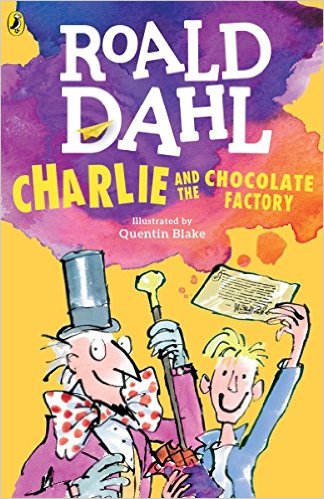
Charlie and the Chocolate Factory by Roald Dahl
Dahl's fanciful story of a young boy who wins a chance to tour a curious chocolate factory with its even more curious owner - and some pretty curious companions - is a madcap romp. The book is odd in the usual Dahl way, yet not nearly as creepy as the Johnny Depp film version.

Bonus: Both film versions, Willy Wonka and the Chocolate Factory and Charlie and the Chocolate Factory capture the oddness of the original book, yet in very different ways. The latter may be a bit dark for littler ones, but the original, with its catchy tunes, is sure to be fun for all. Also, if your kids enjoy this book, they can go on to read the sequel, Charlie and the Great Glass Elevator, or any of the other delightfully off-the-wall books by Dahl, including Matilda; James and the Giant PeachThe BFG; Danny, the Champion of the World; and the lesser-known The Witches and The Magic Finger.

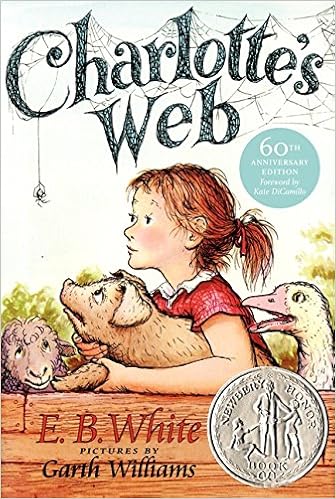
Charlotte's Web by E.B. White
The story of the unlikely friendship between a little girl, a pig, and a spider is sweet and charming, but the ending can be a bit sad for a sensitive child, so consider your audience on this one. Be sure to find a copy that includes Garth Williams' marvelous illustrations. You've never seen so much expression on the face of a pig as you'll see on Wilbur's face in Williams' illustrations.

Bonus: There are several film versions available, including an animated version featuring the voices of Debbie Reynolds, Paul Lynde, Danny Bonaduce, Henry Gibson, and Agnes Moorehead, as well as a live-action/CGI version with the voices of Julia Roberts, Steve Buscemi, John Cleese, Oprah Winfrey, Reba McIntyre, Kathy Bates, and Robert Redford, and Dakota Fanning as the young girl, Fern.

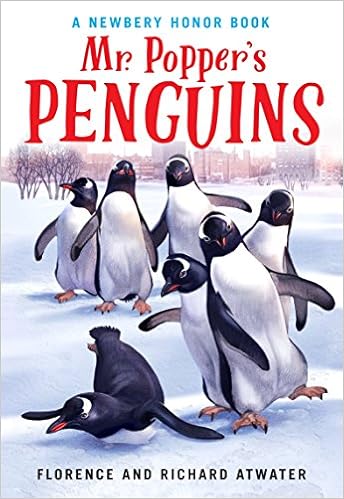
Mr. Popper's Penguins by Florence and Richard Atwater
Lovers of animals and silliness will love this absurd story of Mr. Popper, a painter who wished he had seen more of the world before settling down. He spends all his free time reading about polar expeditions and even writes a letter to the famous Arctic explorer Admiral Drake - who sends him a penguin. Mr. Popper installs the penguin in his icebox, and eventually ends up with a collection of a dozen penguins, which all have the silly adventures that penguins living in a suburban house could be expected to have. Parts of the story may feel a bit dated (you'll definitely need to explain to most children what an icebox is!), but Mr. Popper's wide-eyed delight and naivete is up there with Amelia Bedelia's, with an equal amount of charm.

Bonus: With the disclaimer that I have not yet seen the film, Jim Carrey did a film version that includes in its cast Carla Gugino, Angela Lansbury, Clark Gregg, and Jeffrey Tambor. The framing of the story seems to be a significant departure from the book, but the silliness of the adventures is spot-on.

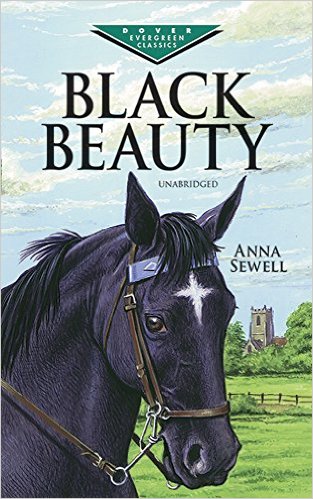
Black Beauty by Anna Sewall
A first-person account of a horse's life as he is traded from owner to owner, some better and some worse, this story is a fascinating look at how people behave - to each other, and to the animals they have power and authority over. Black Beauty himself has many insightful observations about human nature. Another book that can be read on several levels, I was surprised at how much my son enjoyed this book as well as my daughter.

Bonus: The 1994 British film has a cast list that reads like the "Who's Who" of British actors: David Thewlis, Jim Carter, Alan Cumming, Sean Bean, and Peter Davison, just to name a few. A new film version is due out in 2020, with Kate Winslet as the voice of Black Beauty.  The 1972 TV series, "The Adventures of Black Beauty," is available on Amazon Prime.

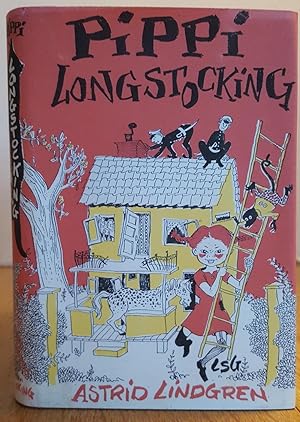
Pippi Longstocking by Astrid Lindgren
Talk about silliness! The tale of an exceptionally strong and self-sufficient young girl who lives on her own with her monkey companion, Mr. Nilsson, and her horse, who makes friends with her young neighbors, Tommy and Annika, and has all kinds of silly adventures, including an encounter with some unfortunate burglars (which may or may not have been an inspiration for at least parts of the movie Home Alone).

Bonus: The list of film and TV versions of Pippi is lengthy: films in 1949, 1997, 1998, and 1999; TV series in 1969 and 1998; a Swedish TV movie in 1984; and a special episode of Shirley Temple's Storybook and one of ABC Weekend Specials.

The Indian in the Cupboard by Lynne Reid Banks
A boy finds a cupboard that magically brings his toy figurines to life learns about freedom, responsibility, and caring for others. An interesting look at native American life from a slightly different perspective than we often get, as well as some sibling rivalry, friendship struggles, and family issues, this book is somehow light-hearted and very serious at the same time.

Bonus: The film is not easy to find (you might need to get it on DVD), but it's worth watching. Also, there are several less-well-known book sequels; however, they get successively darker in tone, so you may want to read them yourself before sharing them with your kids.


Other Read-Aloud Books Worth Checking Out
The Harry Potter series by J.K. Rowling
The Percy Jackson series by Rick Riordan
The Kane Chronicles series by Rick Riordan
The Borrowers by Mary Norton
The House with a Clock in Its Walls by John Bellairs
The Penderwicks series by Jeanne Birdsall
The Phantom Tollbooth by Norton Juster
The Wonderful Wizard of Oz series by L. Frank Baum
Holes by Louis Sachar
A Wrinkle in Time by Madeleine L'Engle
Julie of the Wolves by Jean Craighead George
Cheaper by the Dozen by Frank Gilbreth and Ernestine Gilbreth Carey
The Anne of Green Gables series by L.M. Montgomery
Bridge to Terebithia by Katherine Patterson
Because of Winn-Dixie by Kate Camillo
Sarah Plain and Tall by Patricia MacLachlan
Peter Pan by J.M. Barrie
Misty of Chincoteague by Marguerite Henry
Tuck Everlasting by Natalie Babbitt
Harriet the Spy by Louise Fitzhugh
Twenty Thousand Leagues Under the Sea by Jules Verne
Swiss Family Robinson by Johann Wyss


Bookmark and Share

Tuesday, March 17, 2020

COVID-19 Lesson Plans: Day 2

We survived Day 1! Now on to Day 2. Since it's a bit snowy and rainy out and we're not likely to get outside for our morning exercise session, we've already devolved into a pajamas-optional dress code. For the record, I opted for "real clothes," while my daughter is wearing her beloved fleece Christmas tree onesie and my son is wearing his fleece Elf on the Shelf PJs. If I'd thought of it before I got dressed, I'd be wearing my fleece holly pajamas from Christmas, too. Clearly, we need to do another PJ Day at some point.

7-8:30am: Up, make breakfast, clean up breakfast dishes, get dressed (although see dress code note, above), brush teeth and hair, free play. Note: the 7am start time is an average; the kids were both up by 6:30; I dragged myself out of my cozy bed at 7:30. We also had an impromptu discussion of economics during breakfast, based on my son asking why the government doesn't just print more money when the economy tanks. How convenient that today's planned social studies lesson is about economics! (See 11am, below.)

8:30-9am: Penmanship practice. I reviewed their work from yesterday and had them redo a few of the letters that they struggled with, then added some additional letters to practice: Cursive capitals h through p for the 3rd-grader, and printed lowercase p q r s u for the 4th-grader (who had more review work to do). Additional practice by copying sentences from a favorite book, then pointing out letters and spacing issues to fix and also think about for next time.

9-9:30am: Indoor "Green" Scavenger Hunt. With high hopes of getting outside later in the day, we opted for an indoor exercise to start the morning. I gave each kid a clipboard with paper and pencil and gave them 15 minutes to go around the house and describe every green item they could find, in honor of St. Patrick's Day! We then compared our lists to see what each one had missed and how many unique items each had found.

9:30-10am: By their request, I gave them a times tables speed test. This link has several worksheets that get progressively more difficult. They're designed for a 1-minute test, but I watched to see how far they would get and adjusted the time so they could get a significant amount of the sheet done (2 minutes for my 4th-grader and 3-1/2 for my 3rd-grader was just about right.). I also printed the answer key and had them trade papers and grade each other's answers. (This led to a discussion about how "neatness counts" since my hurried-but-messy 4th-grader's answers were occasionally illegible.) Since this didn't take very long, I suggested my son do Khan Academy math, but he requested using the Zearn website they use at school, and I agreed. My daughter is weaker on her math facts, so we spent the rest of the time correcting her answers and practicing some facts. I definitely plan on spending more time with her on multiplication facts, possibly using flashcards. And of course, all those great Schoolhouse Rock math songs. They were both on a roll so I extended this segment from my originally-planned 15 minutes to a full 30 minutes. My son also spent the last few minutes of this segment looking up information about Jacques Cousteau in preparation of our next segment...

10-10:50am: The Atlantic White Shark Conservancy is presenting a book involving sharks every day at 10am. Today's book is "Manfish - A Story of Jacques Cousteau" by Jennifer Berne. They post the videos after the fact, so you can pull up yesterday's program whenever it's convenient for your schedule, if 10am doesn't work. They've also mentioned that they might change they time to later in the day sometimes, so west coast viewers can watch in real time at a more reasonable hour. The program ran until about 10:30, but we downloaded the book report worksheet and the ocean exploration vessel design worksheet from the AWSC website and spent some time working on our book reports. We'll save the designing for later today, combining science and art!

10:50-11am: Quick snack break and free time!

11am-11:30am: I chose two articles from Time for Kids on economics to read aloud and discuss: "A Look at the Economy" (in light of the COVID-19 crisis), and "Going Cashless." We discussed the difference between debit and credit cards and why it can be difficult for some people to have either of them, and why a cashless system would be very difficult for some people. My husband is much further along in the "going cashless" technology boom so after he finishes work I'll ask him to talk more to the kids about things like Venmo, PayPal, ApplePay, etc. I might even learn a few things myself!

11:30am-1pm: Lunch break and free play time with electronics allowed! The kids were getting fidgety, so I'm giving them a nice, long break. One of the nicest things about homeschool is the ability to go with the flow - when they're in the groove, like they were with math and the Shark Conservancy project today, you can take more time with a subject, and when they're not really absorbing, you can give them a break. It makes me appreciate classroom teachers who have to power through and stick with a set schedule that much more!

My son had requested an egg salad sandwich yesterday and I couldn't oblige, so last night I hard-boiled a few eggs and we made the egg salad together as part of his lunch break. He discovered that he liked egg salad when we had high tea at the Russian Tea Room over Christmas break, so I tried to find their recipe online, but the best I could do was Downton Abbey Egg Salad Tea Sandwiches. I even cut off the crusts and cut them in fancy triangles arranged on the plate in a star shape, because that's the kind of cool mom I am. It was a HUGE hit! This recipe will be making a regular appearance in our lunch rotation.

1-2pm: Reading. I was originally planning on having the kids read on their own, but my son's' 4th grade teacher emailed a link to an audio version of two books she had planned on reading to the class this week, "Stone Fox" by John Reynolds, and "Wilma Jean the Worry Machine" by Julia Cook, so we listened to the first two chapters of "Stone Fox" and all of "Wilma Jean" and then had a short discussion about each. Afterwards, the kids did quiet reading on their own.

2-3pm: Science: Capillary action. We planned to do this experiment using 7 glasses, strips of paper towel, water, and food coloring. It took a lot longer than expected for the water to move, but the kids enjoyed it anyway. It's a good experiment to do in this situation, since you probably have everything you need for it in the house. The video is up!.

3-3:30pm: Pet time. The kids let the hamster play in her playpen, and found various toys for her to play with, including the box from a tube of toothpaste and a toilet paper tube. We often have discussions about how hamsters behave and what they eat in the wild, so I'm considering this a science lesson. Plus, we're all just kind of worn out today and ready to kick back and chill. Even the hamster.


And we're officially toast for today. Free time for everyone (especially mom, who's currently torn between a nap and a long bubble bath)!


Bookmark and Share

More Surviving the COVID-19 School Closures

We've been fortunate over the past few weeks with the great weather we're having, and hopefully it will continue into the next few weeks, so our kids will be able to spend plenty of time outside, running around and burning off some energy. But since we need to avoid group activities and playing with friends, we need to find some inside and outside activities that kids can do on their own or with only their siblings. Here are some resources I've found to help with getting kids moving.

Fitness Blender Kids Workout - This 25-minute video features a workout in the form of games that work well with a parent and child (so it gets YOU moving, too!). Appropriate for even preschool kids, it's easy to stop and start or do chunks. The video shows a mom and two kids doing the activities, so it's fun for kids to watch other kids doing the exercised.

The Learning Station - This YouTube channel includes a whole series of silly songs with associated movements. Use a single song as a quick wiggle break, or do a whole dance party with all the songs.

Go Noodle Fresh Start Fitness - I mentioned Go Noodle in yesterday's list of fun websites, but their Fresh Start Fitness collection is worthy of its own mention. A lot of Go Noodle videos are just fun wiggle breaks, but this series is actual exercise videos. There are eight 3-4 minute videos, plus a full 20-minute workout video.

Obstacle Course - The linked site gives some good ideas of how to create an indoor obstacle course, but with a little creativity, you can use what you have on hand to make either an indoor or an outdoor course. Pillows, blocks, old pieces of wood or fabric, folding chairs or TV trays can all serve as excellent obstacles.

Cosmic Kids Yoga Adventures - If you have Amazon Prime, check out this free series (37 15-minute episodes). With fun animated backgrounds and a leader with a charming accent, each episode turns you into a kind of animal. The silliness factor makes it especially fun for littler ones.

Scavenger Hunt Walk - No link for this one, it's just one I like to do for my kids. Write up a list of things you might see on a walk through the neighborhood, or on a hike in the woods, or wherever you can go that's not too crowded (even indoors in your house!). Your list might include someone walking a dog, a squirrel climbing a tree, a yellow flower, a wreath on someone's door, Christmas lights still up, a puddle, a cat in a window, a bird hopping on the ground, a hawk soaring in the sky, a bird's nest, someone on a bike, a car with something strapped to the roof or the back, etc. An indoor scavenger hunt list could include a red Lego, a book with a title that starts with "The," a winter glove or mitten, a shirt with words on it, a striped sock, a fork, a musical instrument, something that starts with the letter P, a bath toy, etc. Get creative - and make sure they put all their "finds" back when they're done!

Side Note: I mentioned this to my daughter and she suggested that since it's St. Patrick's Day, we have a "Green" scavenger hunt and count how many different green things we see. Great idea!!

Dance Party - If you have access to Alexa or in-home Sirius XM radio, put on a kids' music channel like Kidz Bop Kidz or Radio Disney or Kids Place live and just groove freestyle! If you don't, search YouTube for "kids dance party music" and let 'er rip. Or, even better, make your own playlist of your kids' most upbeat favorites. Good dance songs that our family loves include "Happy" by Pharell Williams, "Can't Stop the Feelin'" by Justin Timberlake, "Try Everything" by Shakira, "Black Horse and the Cherry Tree" by KT Tunstall, "Alligator Stroll" by Josh Turner, "Copycat" by Brad Paisley, "Broken Piano" by Ben Folds, "Uptown Funk" by Bruno Mars (or Kidz Bop), "Party in the USA" by Miley Cyrus, "Seize the Day" and "King of New York" from the original Broadway cast of Newsies, and "High Top Shoes" by Jojo Siwa.


Now get out there and burn off some energy!!


Bookmark and Share

Monday, March 16, 2020

COVID-19 Lesson Plans: Day 1

I have a 3rd-grader and a 4th -grader at home, so I'll be posting our daily lesson plans and schedule, in case anyone would like to borrow them!

7-8:30am: Up, make breakfast, clean up breakfast dishes, get dressed, brush teeth and hair, free play.

8:30-9am: Penmanship practice. My 3rd-grader is learning cursive, so I made her a worksheet with examples of cursive capital letters A through G to carefully copy. My 4th grader has terrible printing, so I had him practice some of the letters he most struggles with: r, m, n, b, and d. After individual letter practice, I had each of them copy a few sentences from one of their favorite books and we went over any problems (letters that floated in midair, uneven letter size, not enough space between words or letters, etc.)

9-9:45am: Scavenger hunt walk. I gave each of them a clipboard with the following list of things to look for: a robin with something in its mouth, someone walking a dog, a wreath on a door, a bicycle, green shoots, fuzzy buds, a flower blossom, a hawk, a kid playing outside, someone pushing a stroller, Easter decorations, St. Patrick's Day decorations, a rabbit (real or otherwise), and a lost glove or mitten. We saw everything on our list except a hawk and someone pushing a stroller!

9:45-10am: Math worksheets. My 3rd-grader worked on an adding fractions worksheet and a subtracting fractions worksheet, and my 4th-grader worked on an ordering fractions worksheet and a converting decimals to fractions worksheet.

10-10:20am: Snack break! My 4th-grader continued working on showing his work while my 3rd-grader made tea and toasted peanut butter sandwiches for us to share.

10:20-10:45:  Current events. The Time Magazine for Kids website has some great articles on COVID-19 and what we need to do as a society and as individuals to protect ourselves and break the cycle of transmission (specifically, this article and this one). We discussed how our family could change our behavior to keep ourselves safe.

10:45-noon: Creative time. I gave them the options of drawing, practicing their instruments, building with Legos, or baking with me. They opted for baking, with drawing and Legos during rising and baking time. We made this recipe for white bread, but first we watched Alton Brown's video about yeast.

Noon-1pm: Lunch break and free time! Access to Chromebooks permitted - and very much appreciated by both scholars.

1-1:30pm: Reading time. Each child gets to choose their own book and read quietly to themselves.

1:30-2pm: ELA. Both kids are working through the Khan Academy "Reading: Literature" practice pages. They both tend to read and comprehend above their grade level, so they're starting with the Grade 4 and Grade 5 pages. 

2-2:20pm: Music. My 3rd-grader continued working on Khan reading while my 4th-grader practiced trombone.

2:20-3pm: Art and music. My 4th-grader is working on making sculptures from recycled materials in his art class at school, so we decided to continue that lesson. Crumpled paper, tin foil, old gift wrap, twist ties, tape, empty bottles, cardboard boxes, and bits of fabric were all fair game. My 3rd-grader took a break to practice her cello, then started collecting materials for her art project. We'll continue to work on our art later in the week.

3-3:30pm: Cincinnati Zoo Facebook Live stream! Today's featured animal was Fiona the hippo. The Zoo is offering a Facebook Live program every weekday at 3pm. After the Live event, we took a quiz about hippos. We didn't get all the questions right, but we did pretty well!

3:30-4:30pm: I sent the kids outside to play in the yard while I make some plans for tomorrow's lesson. Phew, we survived the first day!


Bookmark and Share

Online Fun with Kids

It's official: My kids and I are home from school and work, respectively, for a minimum of two weeks. We'll definitely be doing some homeschooling, but I've been researching some fun "enrichment" activities that we can do online. Here are some great websites worth spending some time exploring with your kids while you're trapped at home. And thanks to the many online friends who have also been sharing great website ideas!

The National Gallery of Art: Virtual Tours - Exactly what it says: there are multiple links that take you on virtual tours of many of their collections, including not only high-resolution photographs of the various masterpieces, but descriptions and backgrounds of the artists and the importance of each work. Check out this article for links to other museums around the world with virtual tours.

The Great Plant Escape - Geared toward 4th and 5th graders and designed by the University of Illinois Extension, users help "Detective LaPlant" solve the mystery of plant life! Kids read a "Case Brief" to explain what they need to learn and figure out, review the "Facts of the Case" which give them the clues they need to solve the problem, then answer the questions to solve the mystery. After solving all 6 cases, kids will have learned the basics of plants science and how we grow food. The "Green Links" section at the end links to other gardening- and plant-related websites, including how to plant and care for your own backyard garden, collecting seeds, and all about a career in botany.

Amazing Space - Explore space-related topics like our solar system, galaxies, black holes, space telescopes and more. This non-game site is geared for older students (or younger science nerds - and I mean that in the most positive way possible) who love to dive into facts and figures. Expect to have many of those facts spouted back to you over the following days and weeks.

Time for Kids - Time Magazine posts age-appropriate news articles for kids, organized by grade level. Articles cover everything from current events (there are currently a number of helpful articles about COVID-19 and its impact), to the economy, to business and technology, to community issues, to the arts, to fun activities and games, and more.

Animal Diversity Web - Got an animal lover in your house? This site, hosted by the University of Michigan Museum of Zoology, allows users to explore photographs and information about any kind of animal imaginable. A delight for science nerds.

Go Noodle - A great weapon against cabin fever, these great videos get kids up and moving while they're learning. My kids' school uses them for "brain breaks," or what I would call a "wiggle break." For parents of a certain age, this is the Schoolhouse Rock of the current generation. Their songs are quick and memorable and teach fun mnemonics, concise grammar lessons, etc.

Scholastic Learn at Home - Divided by grade level (pre-k/kindergarten, grades 1 and 2, grades 3-5, and grades 6+), this site has daily lessons and projects covering a multitude of topics. They have a great kid-oriented spin, especially including stories about or by kids.


Happy web surfing!

Bookmark and Share