Showing posts with label homeschooling. Show all posts

Monday, May 4, 2020

COVID-19 Homeschool, Day 33

We're continuing to work in "semi-supervised mode" this week. Today is full of meetings with the home inspector, painters, staging consultant, and smoke detector installers, so the kids will be responsible for keeping themselves on track (and frequently out of the way - we may be banishing them to my car at several points).

Here's how today's schedule worked out.

7-8:30am: Get up, have breakfast, get washed, brushed, and dressed.

8:30-9am: Each child logged in to their Classroom website and looked at the week's assignments. Having a checklist worked out well last week, so I helped each of them set a series of assignments for the day. Once again, they can use their own discretion for when to work, when to take breaks, and when to do each assignment. The only fixed time is my son's Google Classroom Meeting at 1pm, but he opted to write out his schedule including specific times. He started with his two fraction assignments, and she started with her Epic reading assignment, reading about loggerhead turtles.

9-9:30am: My son moved on to a typing/writing assignment comparing two animals. My daughter continued with her Epic reading, including taking a quiz.

9:30-10am: My daughter moved on to Zearn math but didn't have time to do the FlipGrid at the end. She'll come back to that later. My son worked on his independent reading.

10-10:30am: My daughter watched Circle Time with Miss Tracey then went back to finish her Zearn FlipGrid submission. My son watched the Atlantic White Shark Conservancy Facebook Live program.

10:30-11:30am:  Both kids agreed they wanted to go outside to get some exercise and fresh air. My son plans to lead "Workout Time." This could either be amazing or a complete disaster. They ended up watering the garden - and each other - with the garden hose. But there was much happy shrieking and running around, so they definitely got some exercise. And the flowers got a drink. So, win!

11:30am-1pm: Lunch break and free time. I made them eat their lunch outside in the tent while my husband and I got an estimate from the first painter.

1-2pm: My son has a Google Classroom Meet with his teacher, and my daughter worked on her journal, including putting an entry (or part of an entry) into a Google doc to email to her teacher.

They probably did less than they would have if I had been directly supervising them all day, but they learned to manage their own time, and to accept responsibility for their own work, and in addition, I got everything done that I needed to get done.

I continue to be struck by one of the best silver linings of these school closures for my kids: I am forced to give them more responsibility, and they are handling it beautifully. I am giving them opportunities to work independently on skills that I might not have normally, including cooking and meal planning, and managing their own time. And I'm proud of how well they're both handling it. I hope I can continue to push them beyond their - and my - comfort zones and encourage them to take on trying more skills even after this crisis is over.

Thank the good Lord for every silver lining we can find!


Bookmark and Share

Thursday, April 9, 2020

COVID-19 Homeschool, Day 19

Most surprising comment thus far, from my son: "Mom, can we have more of a schedule today?" Clearly, my son prefers some structure in his day. So our first order of business is to look at his Google Classroom and use that to create a schedule for the day. My daughter is perfectly happy with no structure (and no teaching) whatsoever, but my son wanted to help design a schedule for her, as well.

7-8:30am: Get up, make and eat breakfast, clear dishes, brush and wash, get dressed.

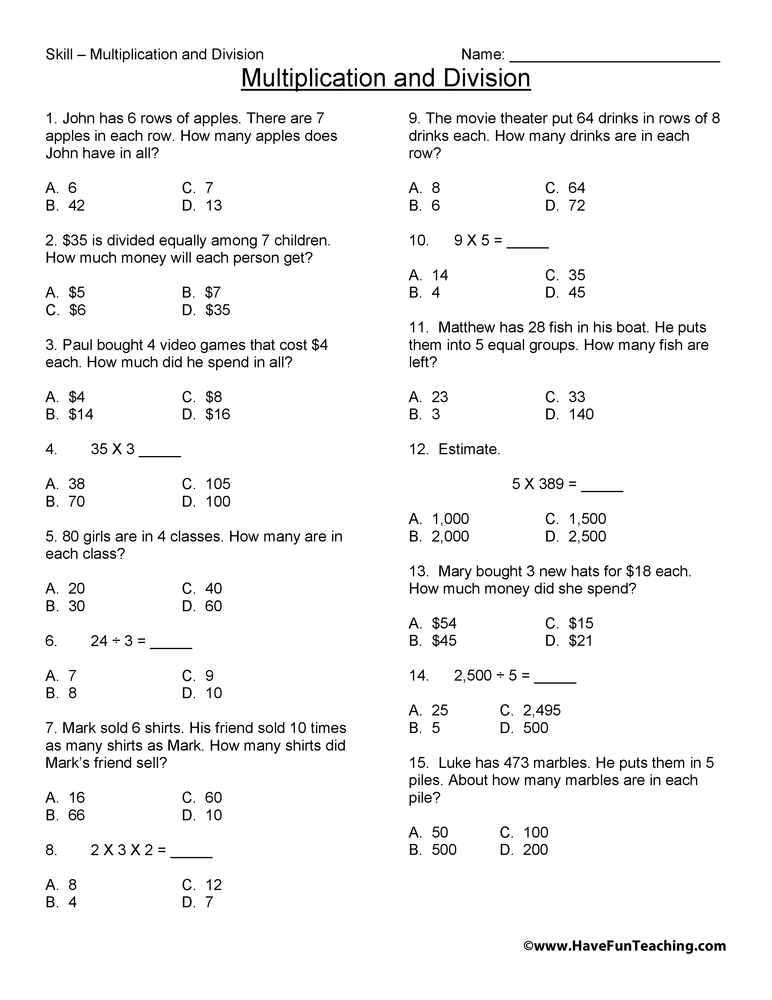
8:30-9am: Start planning schedules. My son found a couple of third grade math tests, including this one, and we printed them out, then we found some fourth grade tests and printed those as well.

9-9:15am: Math tests. Each kid took the test, then we went over them together and talked through any wrong answers. My son took it on himself to explain one question on my daughter's test that her class hadn't covered yet.

9:15-9:30am: Geography Quiz. I found this quiz online and gave it to both kids. We then moved on to a quiz abut South America, since my daughter had studied that in school. We didn't do very well, but we learned a lot!

9:30-11am: My son read further in Tiger Rising, and my daughter read some of her favorite books, including several of Mo Willems' Gerald and Piggy series.

11am-12pm: My son's class did a Google Meet with his teacher, mostly working on math, while my daughter had some extra free time.

12-1pm: My son had his lunch while he was chatting with his classmates after his teacher signed off, and my daughter had some lunch while she played online games.

1-1:45pm: My daughter had a Google Meet with her class, working on math problems. I started baking bread, and my son joined me (coincidentally, he had "baking class" on his schedule for 1pm!). He's developing a very nice kneading technique. Paul Hollywood had better watch his back! If you're interested in teaching your kids to bake bread, this 1-hour French bread recipe is fast, easy, delicious, and relatively foolproof.

And now we're dismissed for the long weekend! Happy Easter to all who celebrate it!


Bookmark and Share

Friday, April 3, 2020

COVID-19 Homeschool, Day 15

Today we conclude our third - yes, THIRD - week of homeschooling.

The good: We haven't had too many major meltdowns, we've kept up with a lot of what the kids were working on in school and progressed a little more, the teachers are mastering online options and posting more projects aligned with the school curriculum, we've gotten the kids set up with Messenger Kids so they can see and talk to their friends and cousins, and we're all developing a lot practical life skills (especially baking and cooking).

The bad: We're all getting cabin fever and struggling with staying motivated. Frustration is more common, and tempers are occasionally frayed. Technology is sometimes uncooperative, and fixes are often beyond mom's limited IT skills so we have to wait for dad to have a break from work so he can take a look.

The ugly: Our standards of dress and grooming have definitely declined. Tooth brushing frequency is being enforced but hair brushing is somewhat lacking. Bedhead and pantslessness is running rampant. Mom is one of the worst offenders so it's not likely to change any time soon.

HOWEVER.

Life goes on. SCHOOL goes on. Social distancing goes on. So we're running with it, doing the best we can, and deciding we're OK.

But with today being a yucky, dreary, rainy day, we're letting ourselves start slow this morning. We all slept a little late and are taking charge of our own breakfasts, so toast and cold cereal are the order of the day. No one is in the mood to sit up at the table and practice math or handwriting, so we're starting the day with some reading. But not until 9 o'clock and another cup of coffee.

7:30-9am: Slow start. Breakfast, get dressed (sort of), get brushed (sort of), clean up after breakfast, chill until 9am.

9-10am: Reading. I gave the kids the choice of my reading to them or of each of them reading independently. Both chose independent reading, with my son opting to re-read Howard Pyle's "The Adventures of Robin Hood," while my daughter is reading "Dog Man: Lord of the Fleas" by Dav Pilkey, which she insisted on reading out loud, and showing me the pictures on a regular basis. I'm not a big fan of graphic novels, but it gets my reluctant reader to read, so I try to roll with it. And I'll admit, Dog Man is pretty cute.

10-10:30am: Science/music. My son watched the first part of the Atlantic White Shark Conservancy's daily Facebook Live presentation, while my daughter watched Miss Tracey's daily Morning Circle. I had my son take a break a little early so we could get our video setup in place for his 10:30 trombone lesson.

10:30-11am: Music and Math. My son had an online trombone lesson with his teacher from school. I lurked in the background (out of camera view), because I was curious both as to how the technology would work and how the teacher actually teaches. As a brass player myself, I feel like I could give my son some additional support, but I want to keep in line with the methods his teacher is using. So it was helpful to get to watch an actual lesson. It's also interested to see and hear how my son interacts with his various teachers. I'm giving this teacher SO much credit for being very patient with and supportive of my son, who gets easily frustrated, and also for his creative ways of getting across concepts that aren't always easy to articulate. I let my daughter have some free time for a while, but then I left my son alone for his lesson and drilled her with math flash cards.

11-11:30am: Math. We played the board game "Sum Swamp," I played with the kids this time! My son escaped from the "Endless Loop" on his first roll. That NEVER happens! He also got the short cut, which means he beat my daughter and I quite handily. And then they both kicked my butt on the next few rounds. Before we broke for lunch, I asked if they had any requests for what we should do after lunch. My son requested that I assign them a research project, like the one we did on hamsters the other week. I thought that was a great idea, so I spent my lunch break thinking of an interesting topic.

11:30am-1pm: Lunch break and free time. Electronics and messaging with friends allowed.

1-2pm: Research and presentations. I assigned each of them to research the scientist Alexander Fleming. Among other things, he studied bacteria and the immune system, and discovered penicillin. My daughter found him a little confusing, so I moved her over to research Marie Curie (who they had already talked about in school, so I knew she had a little bit of background). They spent about half an hour doing research, then about 15 minutes to organize their thoughts, then they each did a brief oral presentation.

Now, let it be the weekend! I think we may do some family board games tonight, including trying out a new game given to us by some friends. But we're all looking forward to a couple of days off. Have a great weekend, everyone!


Bookmark and Share

Thursday, April 2, 2020

COVID-19 Homeschool, Day 14

Yesterday's relaxed day was so much fun that we're going to stay a little more relaxed again today. I'm sure that many of you have seen links to the various recreations of famous paintings that people have been doing with stuff they have around the house. Well, I happen to still have my college textbook from that art appreciation course I took (and loved, incidentally), so I'm challenging my children to recreate some of the paintings depicted in said textbook. Here are the results.

Now, this may seem like silliness and frivolity, but there is actually a lot to be learned here. What are the crucial parts of the painting? What can we learn about the composition, the angles, the colors, the layout? How do the lines force the viewer to focus on a certain element? How minimal can we get and still capture the "spirit" of the painting? What aspects are most important to recreate - and why?

Here's how our schedule worked out.

7:30-9am: My son was awake for quite a while in the middle of the night, so he slept fairly late this morning. So we pushed back our usual start time, having a leisurely breakfast (well, those who got up at close to our usual time did), then getting brushed and washed and dressed.

9-9:15am: We finished up our palm branches from yesterday. We had used watercolor paints so we had to leave them to dry before cutting them out and painting the other side today.

9:15-10am: We looked through my college art textbook, "What Is Art?" by John Canaday, and I asked them each to pick out a painting or sculpture that they particularly liked, and we talked about what parts of it caught our eye. My son chose one of my personal favorite paintings, Van Eyck's The Arnolfini Portrait:
I asked each of them to list 3 or 4 things that would be most important to keep if you were going to simplify the image. We all agreed that the bright green of the dress was crucial, as well as the two people, the dog, and either the mirror or the chandelier. We discussed the symbols of the painting and the historical context, how the mirror makes the viewer him- or herself a witness to the marriage; how the woman is cradling her pregnant belly to emphasize rather than to hide it; how the dog symbolizes fidelity and faithfulness and the sandals symbolize an oath or a contract. We talked about how the mirror and the chandelier fill in the space above the curve of the couple's clasped hands, and how the window and the curtains form vertical lines on each side that balance each other. I showed them this funny reenactment of the same painting:
They made sure to include the same details that we thought were important!

My daughter chose da Vinci's Mona Lisa, which she had seen in school and is fascinated by.

They were eager to move on to their own artwork, so we didn't discuss that one in much depth.

10-11am: I asked each of them to choose a painting or sculpture that they thought they could recreate, either using objects around the house and taking a photograph, or making and actual drawing or painting. Not surprisingly, my daughter chose to paint her own version of the Mona Lisa (she has one advantage that da Vinci did not: the ability to speed paint drying using a hair dryer!):

My son chose to recreate Albrecht Durer's famous Study of Praying Hands print using his own hands and a white dress shirt:

And since that didn't take very long, he moved on to engineer this bottle rack that he found in my art book:

It's more engineering than art, which is exactly what I would expect of him.

The artists with their final creations!


11-11:30am: Free art. I let them do anything artistic that they wanted. My daughter wanted to finger paint; my son was still working on his sculpture. While they both worked, I read them one of my favorite passages from Gregory Maguire's take on the Cinderella story, Confessions of an Ugly Stepsister. It describes a young girl's first drawing lesson, when her master assigns her to draw a complicated shell. She has no idea how to begin until her master's other assistant has her squint at the shell until it is just a blur, then imagine she has to draw the most important two lines of its shape - two strokes of the pen to represent the entire shell! She is frustrated and annoyed and even angry, but she finally does it, and, in Maguire's words, "It is a joke of a seashell, an abomination of a seashell, a curse of a seashell. It is still a seashell."

Once my son finished his sculpture, we agreed that music was a form of art and he played around on the recorder and piano for a bit, then played on a music composition website.

11:30am-1pm: Lunch break and free time.

1-2pm: My daughter's class is having a session on Google Meet, but for some reason we can't get the sound to work, so we just left the meeting and I'm having her continue reading "Peter Pan" on her own. My son's teacher gave him some new assignments on his Google Classroom, so he's working through those, starting with math (one of his favorites). When my daughter finished reading, we went back to her Google Classroom to see if there were more assignments. She read some poetry that her teacher had posted in honor of National Poetry Month, then she practiced her multiplication facts with flashcards.

2-2:30pm: We have a great board game called Sum Swamp that the kids have been dying to play for a couple of days. We hadn't been able to find it, but this morning when we were doing art we found it stacked with a few boxes of art supplies that were the same size. So I promised they could play it as a treat at the end of the day!


And that was our day! Whew. I'm going to go take a nap before I tackle dinner. Even today, I've earned it.


Bookmark and Share

Wednesday, April 1, 2020

COVID-19 Homeschool, Day 13

April Fool's Day. Unlucky Day 13. Hump Day. When all these things converge, there's nothing else to be done other than letting the inmates run the asylum. In other words, today I am giving the kids (almost) complete control over what we do. They're the teachers. They're in charge.


No, not really. I have retained veto power, but I am still planning on letting the kids run as amok as possible without losing complete control or endangering life, limb, or property. Let's see what happens...

7-8:30am: Get up, make and eat breakfast, clear breakfast dishes, brush and wash, get dressed. Kids have been informed of today's plan and have begun plotting. Should I be concerned that they are whispering in a corner, occasionally glancing up at me, then rubbing their hands together and chortling evilly?

8:30-9am: Joke-a-Thon. We are allowed to use the internet to search for jokes, as well as joke books, and we're going around in a circle telling each other jokes. A few of our favorites:

What do you use to cook a gator? A croc pot!

Knock-knock.
Who's there?
Control freak. Now you say, "Control freak who?"

What do you call a pig that does karate? A pork chop!

What does a zombie vegetarian eat? Graaaaaaiiiiiiins.....

What does a pepper do when it's angry? Gets jalapeno face!

What do you call a boomerang that doesn't work? A stick.

9-9:30am: P.E. They roped me into playing Twister. I got to be the spinner for the first couple of rounds, but then they made me play. I may never walk upright again.

9:30-10am: Pictionary. We used the whiteboard and just thought of pictures to draw. Some of our subjects: giraffe, The Little Mermaid, rainbow, sand castle, Eiffel Tower, and a DJ. We took a quick snack break at the end.

10-10:45am: Live Streaming. They both wanted to watch their usual 10am live feed, so I worked on preparing for a meeting I had at noon while they watched their streams. My daughter's stream ended early, so she went outside and ran around and got some fresh air until my son was done.

10:45-11:15am: Hide and Seek. There was much hilarity and nothing got broken. And I didn't have to play. Success!

11:45am-1:30pm: Extra-long lunch break and free time.

1:30-2pm: Music and Art. Since Palm Sunday is this Sunday (!!), our church youth choir director sent out a video teaching the kids a song and asking them to record themselves singing it on Flipgrid. So we spent some time practicing, then they each recorded their own track. We also spent some time coloring in and cutting own the palm branches the Christian Education Director mailed us, so we'll have something to wave during church on Palm Sunday!

2-??pm: Break. My daughter is video chatting with some friends; my son is reading a Calvin and Hobbes book, and I am just relaxing. My son has requested baking bread later today. He did so well with yesterday's baking project - which he did completely on his own, only asking me a question or two (he actually banned me from the kitchen so I wouldn't give him any unwanted tips!) - that I'm sure he can bake bread with minimal help from me, too. This may turn out to be the very best thing that comes our of this whole homeschool/isolation thing!

It was nice to have a laid back, relaxing day today. We might need to add this to our schedule every other week as a regular thing. I think we'll all be the better for it.


Bookmark and Share

Tuesday, March 31, 2020

COVID-19 Homeschool, Day 12

It's 7:45am. Homeschool is scheduled to start in 45 minutes. And I'm sitting at my laptop, coffee in hand, and I don't have the faintest idea what we're going to do.

And that's OK. It's OK to fly by the seat of your pants sometimes. It's OK to make it up as you go along. It's OK to ask your kids what they want to do every now and then. It's OK to ask them what they want to do more often then every now and then. And it's OK to decide to not do much at all every now and then.

But since tomorrow is April 1st, I've decided that tomorrow will be our fun, silly, goof-off day, so I do want to get a little bit of work done today. But since it's also an absolutely glorious day today, I think we'll start off by getting outside and enjoying the nice day first. We could all use some fresh air and exercise.

7-8:30am: Get up, make and eat breakfast, clean up breakfast dishes, get brushed, washed, and dressed. Since the kids both have Messenger Kids now, they're already chatting with friends. I need to figure out how to block out certain time periods when they can use that function. 7:30-8:30am is okay with me, but I don't want them jumping online any time we have a 5-minute break, and I don't want them on too close to most people's dinnertimes and bedtimes. But for now, manual parental enforcement (i.e., yelling, "Time to log off Messenger, NOW!") will do just fine.

8:30-9am: Exercise. We're taking a walk around the neighborhood, complete with clipboards and a scavenger hunt! Today is an alphabet scavenger hunt. It's a little harder to do outdoors, so we don't limit ourselves to finding things in alphabetical order, and you can write down two items for each letter.

9-9:45am: Math. I had made a big stack of flashcards with multiplication facts for 6 through 9 (plus a few easier extras) and alternated between kids (no scoring this time). Any time my daughter got stuck, we talked through strategies for figuring it out - for example, 8 x 7 is the same as 10 x 7 minus 2 x 7, i.e., 70 - 14, or 56. Once we went through the whole stack (which took about 15 minutes), I had each of them log onto their Google Classroom site and work through one of their teachers' suggested math assignments or sites. My daughter chose I Know It math which is great, but which allows only 25 practice questions per day. HOWEVER, I discovered that they are offering a free 90-day subscription to students, using their school email address, so I just submitted an application, which means that hopefully she'll be able to work on more problems every day. My son is working on Zearn.  

9:45-10am: Snack and bathroom break. My son chose to play an online game and was disappointed when I wouldn't let him get a snack at 9:59. That time window is closed, dude, sorry. Mom doesn't play that game.

10-10:45am: Science/music. My son loves to watch the Atlantic White Shark Conservancy Facebook live feed every day at 10, my daughter loves to watch Tracey O'Farrell's Morning Circle Facebook live feed every day at 10, and I love to have half an hour when I can think about my lesson plan for the rest of the day, or what I'm going to make for dinner, or throw in a load of laundry, or just let my mind go blank for a bit. Today's shark presentation was a little dry, so my son went back and watched yesterday's presentation, which we missed, instead. My daughter's live feed finished at about 10:20, so she joined my son for the end of the shark presentation.

10:45-11:30am: Reading and journalling. My daughter's class has been reading "Peter Pan", and my son's class has been reading "The Tiger Rising," so they both continued with that, then I gave them some time to work on their journals, with a little prompting from me: "Write about what you miss most about things we could do before isolation, and write about at least one thing that you like about isolation - AND WHY." (The latter comment is to avoid having my son write, "I miss my friends. I like not having to go to school.")

11:30am-1pm: Lunch and free time. I'm allowing them both to message friends if they want, but they need to finish their lunches and clean up in time to be sitting at the table, ready to go by 1pm. If they don't get lunch by then, they're going to be very hungry this afternoon. See, "Mom doesn't play that game," above. Consider it a lesson in time management.

1-1:45pm: Classroom Meeting. My daughter's teacher is hosting a Google Meet for her class today, so she's joining in on that. While she works on that, my son is working on answering questions on a book his Challenge class has been reading, "Out of My Mind" by Sharon Draper. This also requires at least one of us (me or my son) to master Flipgrid. My money's on the boy. (N.B. - I won that bet.)

1:45-2:45pm: Science and Baking. We watched a cool meteorology video that explained how tropical storms develop by comparing the process to baking muffins. So after we watched the video, we made some muffins! Snickerdoodle muffins, to be specific. Oh, and we passed the post-video quiz with flying colors!


Since tomorrow is April Fool's Day, don't expect any serious lessons. There will be jokes, pranks, silliness, and fun (I hope). If we're lucky, there might even still be a few snickerdoodle muffins!


Bookmark and Share

Monday, March 30, 2020

COVID-19 Homeschool, Day 11

Week 3. Is it really only week 3?!? I feel like we've been doing this forever. And so do my kids. But the positive thing is that as time passes, we're all figuring out new ways to stay connected and to keep our minds and bodies busy and healthy.

One of the ways we've just discovered how to do that with our kids is using Messenger Kids. My husband was out for a walk the other day and saw one of my daughter's friends, along with her mom. He mentioned (from a safe distance!) how much our daughter was missing chatting with her friends, and the mom told him about the app. So last night he got their accounts set up and today we'll see if we can get them up and running with it.

The teachers are also discovering new ways to stay connected. My son's teacher is hosting a Google Meet with his class today. I realized last week that I had missed a similar meeting with my daughter's class, but hopefully that will be a regular thing.

I'm personally getting more comfortable with the various platforms the teachers are posting on. This morning I plan to focus more on working directly from the kids' Google Classroom sites and Clever assignments. Flipgrid looks intriguing.

So here we go!

7-8:45am: Up, make and eat breakfast, clear breakfast dishes, get brushed and washed and dressed. I didn't feel like cooking for anyone this morning so I suggested that the kids could have something they could make for themselves, like English muffins or a bowl of cereal. My son asked, "Can I have anything I can make for myself??" Sensing a trap, I asked what he had in mind. "Can I make scrambled eggs?" Why yes, yes you can. And he made scrambled eggs for himself and his sister with NO help from me. We agreed that it feels really good to be able to cook something that other people enjoy eating.

8:45-9:30am: Reading/Math. I wanted to spend some time familiarizing myself with my daughter's online Classroom and Clever projects, so I got my son set up with reading more of "The Tiger Rising" that his teacher assigned last week. While he's busy with that, I'm sitting with my daughter, logging on to the site and checking out what kinds of assignments are there. I really want to focus on her math skills. Unfortunately, one of the sites only allows 25 practice questions a day, so I let her move on to reading while I make her flash cards for her 6 through 9 times tables. 

9:30-10:30am: Science. I found a (hopefully not faked this time!) video of how to make a bouncy ball using borax (I have some left over from making slime or ooblek or something a while back), white glue, and cornstarch. If you don't want to bother with the video, here are the instructions:

1. In a small bowl, dissolve 2 teaspoons of Borax in 1/2 cup warm water and set aside.
2. In another bowl, combine 1 tablespoon of white glue with 3-4 drops of food coloring, then add 1 tablespoon of corn starch.
3. Add 1/2 teaspoon of the dissolved Borax solution. Let sit for 15 seconds, then stir. It will look gross and lumpy, and that's just perfect!
4. Roll between your hands until it becomes smooth.
5. Bounce it!!

Our first attempt came out too sticky to knead - it just stuck all over our hands. So we looked for similar experiments to see if they had any advice and found this one which mixed in a cup instead of a bowl. We tried with a cup the next time, and mixed it up really well before we took it out and kneaded with our hands. We also discovered that stretching it like taffy (or like when you squish a marshmallow into fluff) in the early stages worked well.

The kids were a little disappointed in its lack of bounce - it bounced a little, but not much - but it was still fun to do!

We rinsed our lab equipment and put it in the dishwasher, wiped up the floor where we worked, and scrubbed our hands REALLY well, then had a quick snack break before our next session.

10:30-11:30am: Reading and journaling. While my husband was cleaning out the office, he came across a photo album from my trip to Kenya that corresponded to the journal I've been reading to them from. It was great to be able to not only read to them about the morning we woke up to monkeys sitting on top of our tents, but to show them a picture to prove that it really did happen! We also read a little more from Anne Frank and then they spent more time writing in their own journals. In today's reading from Anne Frank, she talked a lot about how she can't stand her mother, and also had some very unflattering comments about Mrs. van Daan and Anne's sister, Margot. It led to a good discussion about both perspective, how we're only seeing the situation from Anne's point of view, and the reality of the others' behavior might actually have been quite different; but also about how being stuck in a small space with the same few people can make everyone irritable and annoyed. I've had to work really hard at prompting them to write more than the basics (a recent entry from my son read, in its entirety: "Exactly the same as yesterday."), but hopefully today's discussion has them thinking a bit more about our family relationships. I promised them that I would never read their journals or require them to read me everything they wrote, and encouraged them to feel free to write things they feel like they can't say. I hope this helps them vent their feelings, if they need to.

11:30am-1pm: Lunch and free time. I encouraged them to get some exercise and fresh air at some point during their break. My son was interested in doing another "P.E. with Joe" workout, and my daughter braved the cold and damp to go outside for a little while.

1-1:30pm: Video conference! My son's teacher set up a Google Meet for his whole class. My son smiled more during this session than he has for the past two weeks! It was fun to eavesdrop on the kids chatting together and sharing what they've been doing. The teacher let everyone chitchat casually for a few minutes, made sure everyone had a chance to say hello and share for a moment, then she muted everyone and went over the various projects and assignments that she'd posted on their Google Classroom. It was a nice combination of classwork and socializing.

While he was doing that, I went back to the Messenger Kids website and watched their "orientation" video with my daughter, then we worked together to figure out how to get it up and running on her Chromebook. Almost as soon as we had the app downloaded, one of her friends sent her a video call. The two of them are chatting away like a pair of magpies, showing off their respective pets, classrooms, siblings, etc.

This new technology is having a great effect on their moods, although we may now need to practice volume control...

1:30-2:30pm. Socialization. After my son's teacher left the chat, a handful of kids stayed on just to chat longer. And my daughter was still happily talking with one of her best buddies on Messenger. This is really what they both need, so I'm just letting them continue as long as they like.

2:30-3:30pm: Cooking. I'm making lasagna for supper tonight, so I thought they could help me make it. They're getting better at listening to directions, but they still want to go off half-cocked before listening to the complete directions (especially my son). This is as much an exercise in patience (theirs AND mine) as a cooking lesson. We also discussed how to decide what you can substitute and what you can't. I didn't have as much mozzarella on hand as I would like, so we combined it with some other shredded cheeses. Here's our favorite recipe, which we used as a base:

Beef and Sausage Lasagna
½ lb. Italian sweet sausage
½ lb. ground beef
3 cloves garlic
1 medium onion, chopped
2 tbsp parsley
1 tsp sugar
1 tsp basil
½ tsp salt
1 (16 oz.) can whole or diced tomatoes, undrained
1 (15 oz.) can tomato sauce
16 oz. ricotta
1 egg (optional)
2 c. grated Parmesan
1 tbsp parsley
1-1/2 tsp oregano
2 c. shredded mozzarella
12 lasagna noodles, cooked or uncooked


Cook sausage, beef, garlic and onion till browned; drain fat. Stir in parsley, sugar, basil, salt, tomatoes, and tomato sauce. Break up tomatoes. Heat to boiling, stirring occasionally. Reduce heat and simmer 45 minutes. Combine ricotta, egg, half the Parmesan, parsley, and oregano in a large bowl. Spread 1 c. sauce in ungreased 9x13” pan, top with 4 noodles. Spread with 1 c. cheese mixture and 1 c. sauce. Cover with 2/3 c. mozzarella and 4 more noodles, then the rest of the cheese, 1 c. sauce, 2/3 c. mozzarella, and 4 more noodles. Finish with the rest of the sauce, the rest of the mozzarella, and the rest of the Parmesan. Bake uncovered at 350 for 45 minutes. Let sit for 15 minutes before cutting.


Bookmark and Share

Friday, March 27, 2020

COVID-19 Homeschool, Day 10

We've made it into double digits, hooray! And also, it's Friday, double hooray!!

Today's Spirit Week theme was Disney, so we dressed up as Disney characters. My daughter chose Belle, from Beauty and the Beast, and my son opted to be Prince Eric, from The Little Mermaid. (Yes, he is holding a dinglehopper.)


Wearing - and choosing - costumes was a natural lead-in to give them a shortened version of the theatrical costume lectures I had recorded and posted online last week (here and here), so that's how we started our school day.

7-8:30am: Get up, make and eat breakfast, clean up breakfast dishes, brush hair and teeth.

8:30-9am: Costumes! Choose and put on our Disney costumes, take photos, then change back into our "civvies".

9-9:30am: Costuming. I gave them a more interactive version of my costume lecture, linked above. My son was in a professional production of The Sound of Music last summer, so I used that as an illustration. We talked about how costume designers do their job in both amateur and professional theatre, and we also discussed the other costume occupations in professional theatre (i.e., patternmakers, tailors and seamstresses, wardrobe supervisors, and dressers).

9:3-10am: Occupations. Yesterday I had asked both kids a series of fun questions to post on Facebook, and one of their answers that surprised me was that when I asked them what they wanted to be when they grew up, neither of them had an answer. So we talked about different jobs they might get while they're still in school, as well as different types of occupations they might have as an adult. I also talked to them about my career path: volunteer and paid jobs I had as a young teenager, my first "real" job after I graduated from college, jobs I've had since. We had a good discussion about the different types of choices they could make for future jobs.

10-10:30am: Typing & reading. My daughter was intrigued by my mentioning that my good typing skills helped me to get work from a temp agency when I changed jobs once, so she asked if she could work on Typing Club, the online typing practice site they use at school. My son's teacher had recommended an audiobook, "The Tiger Rising" by Kate DiCamillo, followed by writing a summary of the book and a description of the character traits of one of the main characters. I had him listen to a few chapters, and we'll save the writing until he's read further in the book.

10:30-11am: Math. Based on his teacher's recommendation, my son watched Khan Academy's Introduction to Decimals video, CTC Math's Introduction to Decimals, and a video called Decimal Place Value for Fourth Grade, then he played decimal games on Splash Learn. My daughter's teacher recommended a math site called Greg Tang Math that has lots of math games. Since my daughter needs to work on her multiplication facts, she played a game called Kakooma to work on her multiplication facts, then I let her explore some of the other math games.

11am-1pm: Outdoors break and lunch. Both kids were begging for an early break, so I decided to let them play outside for a while before lunch, since it's a nice day. We didn't do any exercise yet today, so they can use a stretch break and some fresh air. And so can I!

1-2pm: Science. We had watched this video on how to make ice turn invisible using just salt and white vinegar (and water and ice, of course). We tried to replicate the experiment without much luck - and then my son noticed: Hey, the ice cubes he's putting in are crescent-shaped, and the clear ones he's scooping out are cubes! It's a fake-out!! Yup, we fell for a prank video. But we turned it into a great discussion of the importance of the scientific method, and recording your experiments in a way that lets others replicate them - or, in this case, prove that you faked it! We looked for some videos of REAL ways to make clear ice, but all the ones we found required you to have enough room in your freezer for a small cooler, which we don't, so we couldn't do them ourselves. But we did watch one of those videos - I chose this one, because the narrator is hilarious (possibly intentionally). And because we saw lots of people using the same - or very similar - methods, we agreed this was a little more believable.

2-2:30pm: Reading and journalling. I read them some more excerpts from my Kenya journal, then gave them time to write in their own journals. I gave them each a chance to read something they had written in their journals aloud. Both of them are struggling to understand how to write more than a dry list of facts, even with my prompts. But we'll continue working on that in the coming days.

2:30-3:00pm: Music. My son practiced his trombone while my daughter typed her journal into a Google doc, then my daughter practiced her cello.

And with that, the weekend has arrived! We have successfully completed our second full week of homeschool. No-one's killed each other, no-one's dissolved into tears for more than a few seconds, I haven't taken to drinking heavily on a regular basis, and I think we've all learned a few things, including some practical life skills. If we keep this up, I think we'll come through this crazy situation just fine. And you will, too.


Bookmark and Share

Thursday, March 26, 2020

COVID-19 Homeschool, Day 9

Every other Thursday, we have professional cleaners come in and clean our house. Obviously, we're not having them come today (or for the next month or so), for their own safety and ours. So instead of our usual homeschool lessons, today we're going to learn exactly what they do. In other words, today, we're going to learn to clean the house.

7-7:15am: Trash patrol. Before we even had breakfast, I had my son get a big trash bag and had him empty all the trashcans in the house into it, then put it into the big wheeled bin and roll it out to the curb. My husband has been cleaning out our study, so there were two big extra trash bags that also had to be carried out. They were quite heavy so my husband helped with that. I also transferred our recycling from the smaller bin on the porch into the larger wheeled bin and my son brought that out to the curb as well. My daughter - who rarely sleeps late - was still sleeping, so she managed to escape this particular chore, but her room is much messier than his so she'll make up for it when room cleaning time comes. We all scrubbed our hands really, really well afterwards.

7:15-8:00am: Free time. I enjoyed my coffee and caught up on emails while my son played video games and my daughter continued to snooze.

8-9am: Cooking. Since my kids requested pancakes for breakfast (as they very often do), I thought it would be a good opportunity to teach them how to make them for themselves. They measured out the mix, added the appropriate amount of water, stirred, checked the consistency of the batter, adjusted as needed, then carefully poured it into the griddle, watched for the edge to dry and the middle to stop bubbling, flipped it over, and finally flipped it onto the plate and buttered it, cut it up, and added syrup. Pancakes are their own reward. Brushing teeth and hair was required after they cleared their plates and put away the pancake-making supplies.

9-10am: Kitchen cleaning. We started with picking up and putting away toys and shoes that were on the floor and unneeded appliances that were on the counter (like the waffle iron), and moving dirty dishes from the sink into the dishwasher. Then we swept crumbs off the counters and scrubbed them with Clorox wipes, then rinsed with damp paper towels. (It was at this point that my son hilariously requested that we listen to the "Happy Working Song" from Enchanted while we worked.) We took the grills off the stove and scrubbed them in the sink, and wiped out around the burners and the front of the oven while the grills were drying, then put everything back together. Next, we swept and washed the floor. Then, we scrubbed out and rinsed the sink. We ran out of time to shake out the two floor mats, so we left them on the porch and we'll take care of them later.

10-11am: Break. My daughter watched a singalong live feed while my son watched the Atlantic White Shark Conservancy Facebook Live feed. They both got really involved in what they were watching and went on to watch other similar feeds when the first ones finished, so I let them keep watching until 11:00. My daughter swapped over to an episode of Mo Willems' "Lunch Doodles."

11-11:45am: Bathroom cleaning. My daughter has been begging to learn how to clean toilets, so I gladly obliged. We learned to carefully shake Comet cleanser around the bowl and scrub the the toilet brush, especially under the rim. Then we wiped down the rest of the toilet, including the handle and behind the hinges, with Clorox wipes. Since she enjoyed that job, she got to do 3 toilets and my son just did one. My son was in charge of using Windex to clean the mirrors and more Clorox wipes to clean the sink and the faucets, and they both wiped out the tub and shower. My daughter swept the floors with a dustpan and brush and wiped them down with Clorox wipes. They also brought the bathmats out to the porch and shook them out really well, along with the mats from the kitchen that we didn't shake earlier.  (We had already emptied the trashcans in the morning when we took out the trash.) We did this for all 4 of our bathrooms (luckily, only 1 is a full bath and only 1 other has a shower that we currently use). We managed to finish them all by 11:45!

11:45am-1:45pm: Lunch and free time. They took a much-deserved break and outside time, since the weather is nice - sunny and a little warmer than it's been. My daughter found a bottle of bubbles and is happily blowing them for the little boy across the street, who's busily riding his Big Wheel in their driveway. She also got out her sidewalk chalk and drew some pictures. My son was a little less excited to go outside, so he ended up reading and playing games in the house for most of his time. They both took charge of preparing their own lunches. If nothing else, this situation is encouraging my kids to develop more self-sufficiency and to learn some practical skills.

1:45-2:45pm: Room cleaning. As mentioned earlier, my daughter slept late while my son learned to make pancakes, so she had to spend more time cleaning and organizing her room than he did, but they both worked on straightening out their rooms, including putting away their clean clothes and making their beds. They're both dawdlers, but instead of standing over their shoulders nagging, I just told them they both need to work for an hour and then they can play, but if there's more cleaning to be done they'll have to do it tomorrow during one of their break times. Hopefully that will be a better motivator.

And with that, Cinderella Day is over!


Bookmark and Share

Wednesday, March 25, 2020

COVID-19 Homeschool, Day 8

We're all a bit laggy this morning, so we're focusing on doing mostly fun things today, lots of stuff in the format of games instead or worksheets or exercises. I also gave the kids their choice of live feeds and educational videos to watch. They're pretty much caught up with or ahead of their classroom work, so we don't need to worry too much about that.

7-8:30am: Get up, get dressed, make and eat breakfast, brush teeth and hair. Today's Spirit Week theme is "Christmas in March," so I'm wearing Christmas socks and a red shirt and my daughter is wearing her favorite Christmas onesie. My son considered wearing a Santa hat, but when we realized they were all in the attic, he opted out of today's theme (with my permission; it's not a hill worth dying on).

8:30-9am: Penmanship, spelling, PE. I had the kids do an Alphabet Scavenger Hunt inside the house. I set up a large whiteboard with two columns, and they had to go around the house and find an item beginning with each letter of the alphabet, in order. Rules were that you had to either physically touch the item (if it were reachable) or get as close to the item as you could and point to it. You then had to go back to the whiteboard and write it in your column. After they finished, we reviewing the spelling of the words and rewrote anything that was misspelled. Other than a few missed capital letters, the only mistake was the spelling of "chandelier" - and let's face it, that's not an easy one even for some adults!

9-10am: Music. Despite (or perhaps because of) my daughter's meltdown yesterday, she has been practicing the song we learned all morning and we decided we would take another crack at singing all three parts together and recording it for their music teacher. I must say, it came out pretty awesome! We finished early enough that I gave the kids free time to noodle around on whatever instrument or music app they wanted. My daughter played "Doe, a Deer" on the piano and my son played Song Maker on Chrome Music Lab. My daughter was curious about what her brother was doing, so she started working on Song Maker, too, then moved to doing karaoke with songs on Alexa. They were having so much fun that I let them keep playing past 9:30, when I had planned to move on to our next lesson. We had a quick snack break before we settled in for our science video.

10-10:15am: Science. We watched our favorite Facebook Live program, the Atlantic White Shark Conservancy! Today's presentation was a book reading and a sing-along. It was shorter than usual, so we moved up our next scheduled activity.

10:15-10:45am: Health and hygiene. We watched a video on how hand sanitizer works and talked a little more about how important hand washing and social distancing is and how it prevents transmission of the virus. We talked about the difference between the terms "corona virus" and "COVID-19." We talked about the symptoms of COVID-19 and how doctors are treating them, including why medical professionals are concerned that we won't have enough equipment and supplies to treat all the patients who need treatment. We went on a few tangents and searched online for illustrations and explanations of how lungs work and how penicillin was discovered (and how it works).

10:45-11:15am: Math/reading. I gave the kids their choice of online math practice (which my son chose), reading more of Anne Frank's or my journal, or writing in their own journals (which my daughter chose). My daughter finished writing in her journal after only a few minutes, and despite much coaxing from me on additional information she could add, she was adamant that she had written all she had to say. So I had her do independent reading for the rest of the time, while my son was quite content to work on math for the full half-hour.

11:15-11:30am: I read to them from the Diary of Anne Frank and from my journal, and then we all decided we were ready for a break.

11:30am-1pm: Lunch break and free time!

After lunch, I suggested that we could bake something together if they wanted, but after a brief debate between the two of them, they opted to play with the hamster for a while, read independently a little more, and then take the rest of the day off. And that's the beauty of homeschooling - sometimes, when you're not really motivated but you got a lot done earlier (whether "earlier" means two hours ago or two days ago), you can just end the day early and be that much more ready to begin the next day.


Bookmark and Share

Monday, March 23, 2020

COVID-19 Homeschool, Day 6: A New Approach

I spent some time over the weekend thinking about my approach to homeschooling. When we started, I was really modeling our program after what I'd done with my son when we homeschooled for a year  a few years back (really, two years; we did pre-k informally, then kindergarten formally). I had written schedules and lesson plans, although I was always willing to deviate from them. We did a mix of worksheets, field trips, hands-on projects, and themes. I chose some topics, and I let him choose some topics. He had already mastered 90% of the kindergarten material in Common Core, which is our state standard, so I wasn't even trying to follow the school curriculum.

But not only are we in a completely different position, where the school system is trying to keep all the kids in the same grade at an even level - which is basically treading water, practicing what they already know rather than attempting to progress and complete the term's curriculum - but their learning is in a context of ZERO face-to-face contact with peers or adults. One of my favorite parts of homeschooling originally was interaction with people outside of my son's age cohort; instead of talking to mainly other kindergarteners, he talked to docents in museums, librarians, store clerks and stockers, lifeguards, dogwalkers, everyone we met. Which, since we were out and about while the other kids were at school, was mainly adults. But now, there's very little interaction with anyone outside the family. And there's very little opportunity to play with other kids in the same sense that they normally play - no chance to work out arguments over who is "It" this time for Tag, or whether that ball bounced outside the lines, or who gets to go first in whatever game they're playing. Having two kids in the house, there is some small degree of problem-solving and working out relationship conflicts, but it's different when it's between siblings. Right now, online chats (and hopefully, video chats in the near future, now that we've mastered Zoom) are their only peer-to-peer social outlets.

So how to give them a sense of normalcy, a sense of control, a sense of actively participating in managing their own studies, and by extension, their own lives? Well, one way that I think will be very helpful to them is journaling. I would love to be able to go back in time and listen to what 7-year-old me thought of being trapped in my house for a week during the Blizzard of '78. I can't do that, but I can make sure that my children can go back, thirty years from now, and read what their 8- and 10-year-old selves though of being trapped in their house for however long during the COVID-19 Pandemic of '20. But since they've never journalled before, it makes sense to give them an example of a very compelling and readable journal that tells a story in a well-organized way, providing background on both the writer and the historical context.  And what better example than The Diary of Anne Frank? I was able to download the linked version on my Kindle for only 99 cents. It's not the best version (it was clearly scanned from a print version and there are a number of weird typos and OCR issues like "cl" coming out as "d" or "i" printing as "l", but since I'm reading it aloud, I just read what I knew it was meant to be, not what it actually said.), but it was good enough for our purposes.

So here's today's lesson plan and schedule:

7-8:45am: Get up. We're doing "Spirit Week Themes" this week, and today is Pajama Day, so we all changed into our coziest pajamas. I had taught my son how to make scrambled eggs a few days ago, and this morning he wanted to make them himself with minimal hints from me. He did fantastic! (And the eggs were PERFECTLY seasoned.) My daughter was in charge of English muffins and toast. It was so nice to be waited on!

8:45-9:15am: I talked a little about the world situation when Anne began writing her journal, then I read her first few diary entries out loud. We discussed the structure of her entries, beginning with introducing herself, giving a brief sketch of her life and where she lives, followed by an introduction of the various people in her life (mainly her classmaters), and then a description of what is currently happening in the world, and a little about how it affects her life.

9:15-10am: The kids started their own journals, modeling their content after Anne. My son chose to type his journal into a Google Doc; my daughter opted to write hers longhand in a bound journal she already owned. I was surprised and impressed by how happily they took to the writing, and what a good job they did in following Anne's model.

10-11:30am: We took a writing break to watch the Atlantic White Shark Conservancy's daily Facebook Live presentation. Most days, they read a shark-related book, then answer questions, but today they're doing a special presentation about what makes a shark a shark, including lots of facts about shark anatomy and physiology, so it was especially long and informative. (Tomorrow, they're hosting an interview with Fabian Cousteau, grandson of the famed undersea explorer and innovator Jacques Cousteau, who has followed in his famous grandfather's footsteps.) We took a brief snack break after the webcast, then we quizzed ourselves by completing the worksheet from the AWSC website.  I challenged the two kids to work together and to figure out how to research any of the answers they didn't know, either by looking back at the video or searching the website.

11:30-1pm: Lunch break and free time!

1-2pm: A teacher friend of mine clued me in to the virtual tour of the Anne Frank Annex, which is an absolutely spectacular website! Since we recently discovered how to project from my laptop onto our large living-room television, we put it up on the big screen and toured together. We read a few more entire in Anne's diary, ending right after her family moves into the annex.

2-2:30pm: Math. Instead of having them do worksheets, we did a "multiplication bee" similar to our spelling bee of the other day. They took turns answering questions, each getting questions at their own level, so my daughter answered facts up to about the 7s, and my son answered 7s and up.

2:30-3:30pm: Art & Music. The kids have been begging for more creative time, so I figured we could end the day with art. A friend had dropped off a jewelry-making kit for my daughter, which involves selecting and painting beads and charms to make a charm bracelet, so she chose that for her craft, and my son chose to do some more work on his recycled sculpture of a robot. I also asked both kids to spend some time practicing their instruments during this time, either the ones they're learning in school (cello and trombone) or some of the other instruments we have in our house, including piano, recorder, and xylophone. It was a good use of the time waiting for glue or paint to dry.

It felt like a nice, relaxed day today, with very little of what felt like "standard" schoolwork. And that's what I feel like home school should be right now. Keeping busy learning interesting things, keeping up with and slightly building on the subjects they've been learning at school, lots of breaks to work with our hands as well as our brains, and sneaking in learning practical skills (like cooking scrambled eggs!) that don't even seem like learning.

I hope everyone out there struggling with homeschooling recognizes the benefits to taking a more relaxed and less structured approach to learning. Some kids may really thrive with relatively rigid structures, but so many more will absorb better and keep up their interest levels if we follow their lead and stay less structured. Much like working from home vs. working at the office, homeschooling can be much more efficient than learning in a large, mixed-level classroom, so you can spend significantly less time and still get more done. Most of all, don't feel that you need to keep up with anyone else. My blog is not meant to be telling anyone how they should homeschool!! It's just an example, hopefully one among many, offering options that MIGHT work for you. Use what works, ignore what doesn't. There's no one right way to homeschool, and no-one can judge the best way for YOU to homeschool except YOU!

So don't worry - you've got this!


Bookmark and Share

Saturday, March 21, 2020

Practical Skills to Teach at Homeschool

When I was a kid, a lot of schools used to offer a class to graduating seniors called "Senior Survival" or something similar. It included a lot of what we would now call "adulting skills": How to balance a checkbook, how to look for an apartment, how to behave at a job interview, how to change the oil in your car. This school shutdown is a great opportunity to teach your kids some practical life skills. Here are some suggestions of what you might want to teach them, along with some resources if you need to learn those skills alongside them!

Home Ec
Cooking: If you're not a big cook, or if you just want to include more theory and background to cooking lessons, Alton Brown has lots of great videos. He approaches cooking from a much more theoretical, chemistry- and science-based direction than most chefs, which kids often find really interesting. Kitchen safety is important, so Chef Ann Butler has a great video teaching kids to use knives safely and properly in the kitchen. Gordon Ramsay has a series of (often hilarious) videos teaching his daughter Matilda to cook. If you only know Chef Ramsay from Kitchen Nightmares and Hell's Kitchen, you really need to watch him cook with his kids. It is - and they are - completely adorable. I even have a blog entry or two of my own with some good recipes to cook with very little ones. Here's a good tip for parents of picky eaters: they'll often try a food they cook (or help cook) themselves that they'd never try otherwise.

Sewing: You don't have to be a tailor or even own (or know how to use) a sewing machine to learn to do basic hand sewing, like replacing a button, shortening or lengthening a hem, or mending a tear. Sewing.com has a great summary of different types of hand stitches for when you're ready to get a little fancy, or at least learn a few different techniques. Videos may be helpful, but I like their photographic illustrations, so you can really look closely at what they're doing and not try to keep up with a video.

If you do have a sewing machine and want your kids to learn to use it (or learn to use it yourself) or to use it better, there are plenty of online tutorials ranging from really basic beginners to quite advanced. Once again, Sewing.com has a great page with links to "essential sewing techniques" ranging from threading the machine to putting in zippers to adding gussets to sewing without a pattern. Whatever level you and your kids are at, there's something you can learn and use at this site.

Home Repair
Maintenance: Teach your kids some simple home maintenance tasks like changing a lightbulb (and what to do if it breaks), changing a fuse or flipping a breaker (this is a good time to label your breaker box together if you've never bothered!), cleaning your clothes dryer vent (you know you don't do it as often as you should!!), spackling a hole in the wall, changing the filter in your furnace or air conditioning system or refrigerator water dispenser (check the manufacturer's website for the best information), and changing the batteries in your smoke alarms and carbon monoxide detectors.

Repairs: Replace the washer in a dripping sink, regrout a floor, fix a loose bannister, repair a loose tile. Whatever little jobs need doing around the house, get your kids to help you with it.

Cleaning
Laundry: Basic laundry tasks, including sorting (and why some clothes are washed in hot water and some in cold), stain removal, hand-washing delicates, are always good to know. Tide, not surprisingly, has a good basic laundry primer that explains much of the above. And the Old Farmer's Almanac has a comprehensive guide to removing different types of stains, including blood, grease, lipstick, grass, mildew, and more. Don't forget to teach them how to fold and hang the clothes when they're done! Getting them to put them neatly away in their drawers is another story altogether...

Cleaning a Bathroom: Which products to use, which tools to use, what needs to be done weekly (scrubbing the toilet and tub, emptying the trash, wiping out the sink, cleaning the mirror) and what can be done periodically (like scrubbing grout and washing the shower curtain). If they have their own bathroom (or one they use more than the rest of the family), put them in charge of keeping it clean on a regular basis. Win-win!

Loading the Dishwasher: You probably have your own preferred system of what fits best where; teach your kids how to do it - and be sure they understand that unloading and putting away is part of the deal! Don't forget to teach them which items need to be hand-washed, and how to do that safely, too.

Auto Maintenance and Repair
Changing a Tire: Once again, go to a manufacturer like Bridgestone for the best information and videos. One of the first things my dad did when I got my learner's permit was to teach me to change a tire - and to show me how to use a pipe to extend the jack handle so I could get the lug nuts off! I still carry a pipe in my trunk for this reason. Teach them to periodically check their spare and be sure it's in good working order, too. Nothing worse than getting a flat in the middle of nowhere and then discovering your spare is also flat.

Changing the Oil: This one is a little more complicated, as not everyone has a nice flat driveway or garage to change their oil in, or ramps and a dolly to aid in getting under the car. But if you do change your own oil, teach your kids to do it, too.

Changing the Fuses: Right after I graduated from college, I was working in Boston, and on my way home from work the guy in front of me wasn't paying attention when the light changed, so after a few seconds I gave him a friendly little beep of the horn. Except that my horn jammed on and I had to pull over. All I could think to do was to disconnect the battery. Fortunately, a friendly passer-by told me I could pull the fuse so I could drive to a mechanic and get it fixed. Consult either your car's user manual or the manufacturer's online site for specifics on your car. Also, be sure to point out what items share a fuse. In my car, the horn and the brake lights were on the same fuse, so it was very important for me to know I had no brake lights while driving in Boston traffic!!

Jumping the Battery: Meineke has a good video and written explanation of how to jump-start a car with a dead battery. Be sure your kids know where the jumper cables are, and the portable charger, if you have one. If you have a car with manual transmission, teach them how to roll it and pop the clutch, too.

Financial Planning
Budgeting: Dave Ramsay has lots of fabulous tools for teaching kids how to handle money wisely. If you have a family budget, talk your kids through it. I still remember when my parents sat us down with the clear plastic pill bottles that my dad kept cash in in his dresser and showed us exactly where our money went each month. We started with Dad's monthly paycheck, then set aside money for set monthly expenses: mortgage, utilities, gas, insurance, church tithe, groceries, the kids' allowances. Then we looked at what was left and thought about what we could spend it on: how much on clothes and shoes, how much for going out to eat or to the movies, how much for projects around the house. And how much of it should go into savings for long-term goals and periodic expenses like vacations, college funds, car repair, buying a new car at some point, larger home repair projects. It was a good, tangible picture of where our money went and why my parents didn't just go out and buy us the expensive stuff we wanted.

Filling Out Tax Forms: At some point your kids will get a job and need to fill out a tax form. Walk them through it with sample numbers and explain what kind of information is required. Take a look at your state form as well. Go over what types of things - charitable donations, capital gains and losses, investments, interest, etc. - can affect how much tax you pay, and talk about how your W-4 can affect how much of your paycheck is withheld, which in turn affects the size of your tax refund or bill.

Savings and Investing: Depending on your kids' ages, talking about saving money could be anything from giving them a piggy bank or coin jar and an allowance to helping them to set up an IRA or 529 plan. Talk about the advantages of each. If you have a financial planner, he or she may have resources that explain different investing strategies and methods.

General Life Skills
Writing a Resume: Show your kids your own resume and explain what each section tells an employer about you and your experience and background. This site walks kids through writing their own resume. Even as a teen applying for their first job, your kids will be ahead of the curve if they walk in the door with a nicely-written resume in hand.

Going to a Job Interview: Here's a good video geared specifically for kids going to their first job interview. Hold a mock interview with your kids and critique it together afterwards. And let your kids interview you, too - be a good example of professional behavior.

Getting an Apartment: This is a good followup to your budgeting discussion. Give your kids an imaginary income and have them figure out how much they can afford to spend on rent each month. Then look online to see what kind of housing is available in your area for that price. Think through the factors you should consider when choosing an apartment. Is it in a safe neighborhood? Do you really need a 2-bedroom apartment? Is there sufficient parking if you plan to have a car, or is there good access to public transportation if you don't? Are utilities included or do you need to budget for those as well? This article covers a lot of good questions to think about, including how to understand a lease before you sign it. And don't forget to talk about the importance of renter's insurance!

What to Do After a Car Accident: At some point in time, nearly all of us will be involved in a car accident, and statistically, it's most likely to happen while we're young, inexperienced drivers. I had my first accident during a driving lesson before I even got my license! For the record: it was not my fault - I was rear-ended at a stop sign by an incredibly embarrassed and apologetic woman. But it was the best thing that could have happened, because there were no injuries or damage other than a few paint smudges, and my instructor patiently walked me through what to do. Make sure your kids know where the car registration is kept and to always keep their licenses with them.


What other skills did you learn the hard way as an adult that you wished you'd picked up earlier in life? Teach your kids those!


Bookmark and Share

Friday, March 20, 2020

COVID-19 Lesson Plans, Day 5

TGIF!! We finally made it to Friday!

Yesterday was kind of a light day, but I think we could still use a less intense today today, so I'm thinking we'll do some good hands-on projects. It's another dreary day, and although it's supposed to be rainy off and on, the temperatures could go up to nearly 70, so hopefully we can get some outside time in somewhere.

7-8:30am: Relaxation and breakfast. Both kids were up between 6:30 and 7, and I'd been awake since 5:15, so we all enjoyed a very laid-back breakfast and getting ready time.

8:30-8:45am: Penmanship. Both kids had worked through all the letters that they struggled with, so I opted to work on sentences instead of individual letters. My son needs practice with spacing between letters and between words, and my daughter needs practice in joining cursive letters, so I had them copy the sentence, "The quick brown fox jumped over the lazy dogs" multiple times.

8:45-9:30am: We missed a couple of the Facebook Live presentations by the Cincinnati Zoo, so we went back and watched their presentation of an ocelot. Then we played a game where I gave them a description of an animal feature and they had a minute or so to list every animal (including mammals, amphibians, reptiles, birds, fish, etc.) they could think of that fit that category. Our categories were: animals with stripes, animals with spots, animals with sharp claws, nocturnal animals, herbivores, tree-dwellers, predators, good swimmers (not counting full-time water-dwellers like fish and marine mammals!), animals with good hearing, and (just for fun!) animals that are really weird-looking.

9:30-10am: Physical Education. From our school's website's list of math games, we timed ourselves to see how many repetitions of a given movement we could do in 60 seconds.

10-11am: Science and Oral Presentations. The kids requested doing research on hamsters (we have a pet hamster), so I suggested they do some research and take notes so they could do a presentation to me. They used their Chromebooks to research facts, and put the hamster in her playpen so they could observe her behavior. They cooperated quite well together, including deciding that my daughter, who writes faster and more neatly, would take notes while my son, who has better computer skills, searched for information. They decided to do separate presentations, and practiced speaking slowly and clearly, and standing without fidgeting or wandering around. That's harder than it sounds when you're 8 and 10 and have a LOT of energy!! Our favorite word that we learned was "crepuscular," which means most active at dusk. Also of note: Ryan's presentation was 7 pages and 20 minutes long; Katie's was 2 short paragraphs and about 40 seconds long. They're basically gender-swapped Hermione and Ron.

11-11:30am: Art. My son wanted to work on his recycled art from Monday; my daughter chose to watch one of Mo Willems' Lunch Doodles. I got Mo playing on her Chromebook and stocked her with paper, magic markers, and pencils, and then I gave my son a lesson in using a glue gun safely. I probably should have made him watch this tutorial instead!

11:30-11:50am: We listened to the last two chapters of "Stone Fox," chapters 9 and 10, then we talked about the book for a little bit. We discussed main and secondary characters; why the author might have chosen the title that he did; what difference the setting of the story made, both time and place;  the reasons that sad books have value, especially for young readers; and what they liked and disliked about the book.

11:50am-1pm: Lunch break and free time! My daughter spent a good bit of her time listening to the soundtrack of Frozen 2 and my son played video games. It's all good.

1-1:45pm: Student's Choice. It has to be something they can do independently and quietly, like reading, researching a topic of choice, writing a poem or a letter, or watching an educational video with headphones. The 3rd-grader chose to write a story; the 4th-grader is reading "Percy Jackson: The Last Olympian," by Rick Riordan. The latter is what I've been reading to him at bedtime, so I'll have to find some time to catch up before he goes to be tonight or I'll be all confused! This session was originally planned to go only until 1:30, but both kids asked to stretch the time a little longer, so we did.

1:45-2:15pm: Dance. We practiced our choreography for my niece Kayla's dance challenge video! It's hard, but we're all getting better. We talked about how to best learn it, from practicing at slower speeds, to repeating shorter segments, to "woodshedding" particular steps that we were struggling with, to simplifying steps that continually throw us off. It was a good chance to talk about how people learn differently and struggle with different things, and how important it is to be patient with people who don't catch on as quickly as we do.

We're knocking off early today, although I'll probably get them both to help me make supper (once I decide what it is!), so that counts as home ec time.

Congratulations, we made it through the first week! Happy weekend!


Bookmark and Share

How Do I Homeschool Without Losing My Mind?

Many parents are now 4 or 5 days into trying to make sure their children's education doesn't completely fall by the wayside during the current school closures. It was hard from the beginning, but it's getting harder, isn't it? Homeschooling - at any grade level, for any number of children, with any kind of background or training, and while trying to juggle any other responsibilities - is not for the faint of heart. But take courage! Here are some of the tips and tricks that got me through my earlier homeschooling years and that are continuing to help me survive now.

Set a Schedule
Having some kind of structure is a huge help in organizing your thoughts and your lesson plans. Here's the one I'm working from:

7-8:30am: Get up, get dressed, have breakfast, clear breakfast dishes, brush teeth and hair, free play.
8:30-9am: Penmanship.
9-10am: Morning walk or other exercise. Snack afterwards if needed.
10-11am: Math, English, social studies, and/or science.
11am-noon: Creative time - drawing, painting, building, cooking/baking, music.
noon-1pm: Lunch break, free play time (electronics allowed).
1-1:30pm: Quiet reading to self.
1:30-2:30pm: Art, music, science, drama.
2:30-4pm: Math, English, social studies, and/or science.
4-5pm: Play outside or indoor quiet indoor play (electronics allowed).
5-6pm: Help make dinner, set table, wash up, pour beverages.
6-6:30pm: Family dinner, clear dinner table.
6:30-8pm: Free time.
8-8:30pm: PJs on, brush teeth, reading time with Mom or Dad, lights out.

Depending on how you and your kids work, your schedule may look completely different. Maybe you'd all rather sleep till 10am and do some schoolwork in the evening; maybe you'd rather work on a single subject for an hour but only every other day; maybe 20 minutes per subject is all you can absorb. The important thing is to start with some kind of organization and then go from there.

Don't Get Too Attached to Your Schedule
Flexibility is as important as organization, so keep in mind that your schedule doesn't need to be hard and fast. If you find your kids are most attentive first thing in the morning, move the tougher subjects to an early slot. If they flag in the early afternoon, put your exercise break there - or add a short naptime! And schedule changes don't need to be permanent - you can make a change for just one day based on your situation and go back to your usual schedule later.

This flexibility is most important in the early stages as you figure out what works for your family. Why would you know that your kids can only handle 20 minutes of math at a time, or that they get hangry at 9:23am on the dot, or that they ALWAYS do music on TUESDAYS and drama on FRIDAYS?? Watch how your kids handle each segment of the day and adjust to what works for them - and you.

Don't Reinvent the Wheel
The beauty of the internet is that there are lots of not only fellow homeschoolers but educational professionals who post TONS of helpful lessons and curricula online. Don't feel like you have to figure out what you should be teaching your kid. Take advantage of what's out there. Most postings include grade level information. Lots of tutoring sites are opening free versions that include worksheets, quizzes, and explanatory videos. Use them!

Don't Be Afraid to Say You Don't Get It
Our generation learned what are kids are now learning with completely different techniques. Your kid would be as baffled by long division as you are by Common Core Math. Don't be afraid to tell them you don't know what you're doing! Teach them how to research the answer and learn how to do it together. Trust me, if your kid catches on before you do, they'll be pleased as punch and proud as a peacock. Let them teach you something. You'll both be better for it.

Enrichment is Important, Too
Education doesn't have to be strictly lectures and quizzes. Take advantage of the many online virtual tours, zoo and aquarium presentations, drawing and dance lessons, science experiments, and storytelling videos that are out there. If you are trying to work from home while also managing your kids' education, find some longer videos or some Facebook Live presentations that give you half an hour or more of letting the kids sit in front of a screen. The Atlantic White Shark Conservancy is offering a daily story program at 10am EST every day, with accompanying worksheets and projects; the Cincinnati Zoo features one of their animals each day at 3pm, with a keeper talking about the animals and answering questions; author and illustrator Mo Willems offers a daily 1pm "Lunch Doodle"; and several other authors, including Mac Barnett and Oliver Jeffers, will be posting daily readings of some of their own books.

This site has a great calendar of these and other similar online events. 

Ask For Help
Many of my teacher friends have posted their credentials and grade level and subject experience on social media and offered to help any parents who are struggling. Don't be afraid to contact your kids' teachers, or any other teachers you know, and ask them for help and advice! Teachers who work in the same school system as your kids are invaluable, since they are familiar with the exact curricula your kids are using and will know what resources coordinate with them. Even if your school system isn't doing formal online learning, many teachers are publicizing resources that align with what your kids have been working on in school. And if they haven't, contact them and ask for recommendations!

Don't Beat Yourself Up
The most important thing is not to let yourself feel like you're failing. Anything the kids learn is better than having them just sit around playing video games all day (which, let's admit, is what they would do if you let them). Even if you throw in the towel on "school" stuff, teach them whatever practical skills you know. Teach them to do laundry, change a tire, hang a picture, balance a checkbook, fix a leaking faucet, strip and make a bed, knit, rewire a light switch. Whatever you know how to do, teach them how to do it, too. After all, 30 years from now, when they're telling their kids about how they were home from school during the great pandemic of '20, they won't remember that you taught them their 8-times table, but I bet they'll remember that you washed your car together, or played 16 straight hours of Monopoly, or watched the 2004 World Series.

Oh - and every once in a while, take the day off. They need it nearly as much as you do!!


Bookmark and Share