Showing posts with label homeschool science. Show all posts

Thursday, April 16, 2020

COVID-19 Homeschool, Day 23

As I mentioned in yesterday's blog, my kids have already finished the majority of assignments for the week, so we're working on a little more free-form things today. The weather is damp and cold, so not the most conducive for a walk or science experiments on the porch, but as the day wears on I'll be searching for an interesting project, or possibly another practical lesson. My son was also asking some questions abut COVID-19 and when this isolation is likely to end, so we may also read some recent articles with some explanations of where we're at, what we need to do, and what factors will help us get an idea of when the isolation rules might be able to end and school can start again.

7-8am: Get up, breakfast, get brushed and washed and dressed. Since today is trash today, my son also helped to bring the recycling and trash bins out to the curb. Both kids (and I) were up early so they enjoyed having some time to play after breakfast before school started. I gave them both the option to start classes half an hour earlier and end half an hour earlier. My son took the offer, my daughter chose to start at the usual time.

8-8:30am: My son participates in a weekly class called Challenge, which will be having an online meeting tomorrow morning. They've been reading a book called "Out of My Mind" by Sharon M. Draper. This week's assignment was to rewrite one of the last chapters as they think it would have happened had the main character made a different choice. They have the option of recording their answer via Flipgrid, or of reading it live during tomorrow's Google Meet. My son opted to type it into a document and read it during the meet.

8:30-9am: The Time for Kids website has some good articles about how kids are feeling about and dealing with the COVID-19 school closures, so we read a few of those together, then we went on and explored some other interesting articles about animals, including chinstrap penguins and various animals that live near the Amazon River.

9-9:45am: We read some more from the Diary of Anne Frank and then I had them write in their journals. We haven't journalled in a while, so I'm hoping they'll have a little more to say than they sometimes do. I told them they could share all, part, or none of their entries with me, and they both chose to read me their whole entries. My son's was very factual, so I suggested that he might want to write a little more about how he feels about schools being closed and social distancing. His response: "I have no feelings." Apparently I have given birth to a Vulcan.

9:45-10am: They each did some independent reading until it was time for their preferred 10am Facebook Live programs. My son chose to read one of his "Big Nate" books, and my daughter read one of her "Dog Man" books. I'm not a big fan of graphic novels, but both of these series are not so bad.

10-10:30am: In keeping with tradition, they each watched their favorite Facebook Life programs: My son, the Atlantic Shark Conservancy (although either they or we were having some technical difficulties, so he bugged out a little early), and my daughter, Miss Tracey's Morning Circle.

10:30-11:30am: Inspired by Miss Tracey's reading of Mo Willems' book, "The Pigeon Needs a Bath," my daughter volunteered for a "daytime tubby" (I would have thrown her in the tub this evening, but we're planning on watching the Disney Sing-Along on ABC at 8pm tonight). She also listened to some stories on Alexa while she was in the tub. My son chose to do some more Zearn math. I made a bunch more masks and sang show tunes while I had the whole first floor to myself. Hey, I won't judge your recreational choices; don't judge mine.

11:30am-1pm: Lunch break and free time.

1-1:45/2pm: My daughter's class is having a Google Meeting, which will include a visit from the school's adjustment counselor. They will be focusing on "Mindfulness," which is a concept that I find to be more trendy than practical, but my brief experiences with the counselor prove her to be generally more practical and less woo-woo, so hopefully it will be a useful session. (NB: It wasn't too bad.) I challenged my son to find a short science experiment that we could do with materials we have around the house. He discovered this experiment about density, which requires only some glasses, spoons, water, sugar, and food coloring. Here's what we did:

We lined up 5 matching clear glasses (although at the end, we realized that a tall thin glass would be better for glass #5, so we eventually swapped it out for a champagne flute).

We added 1 tablespoon of sugar to glass #2, 2 tablespoons to glass #2, 3 tablespoons to glass #3, and 4 tablespoons to glass #4.

We added 2 tablespoons of warm water to each cup and stirred until the sugar was dissolved. The sugar in the last two cups wasn't completely dissolved, so we added a few more teaspoons of HOT water to each cup. We knew it was important to add water to ALL the cups, not just the ones that hadn't dissolved. It's important to keep the densities relatively different. 

Next, we added a few drops of food coloring to each cup: red to the first, yellow to the second, green to the third, and blue to the last. We stirred to make the color even, being careful to rinse the spoon between colors.

Once we made sure all our colors were bright enough to be seen, we were ready to carefully layer the colors in our champagne flute.

First, we poured some of the blue liquid into the bottom of the cup. We didn't have to be overly careful with this layer. The second layer was the green layer. We had to pour it carefully and gently, letting it run over the back of a spoon so it stayed separate from the blue layer.

It worked!! Look at those two distinct layers!

The yellow layer was a little harder. I think we may have let the tip of the spoon dip down into the green layer, so the yellow layer mostly blended into the green.

You can kind of see that the top of the green layer is lighter, but the yellow layer has pretty much vanished.

 We did better with the red layer, and that showed really distinctly.

The colors were even more distinct when we lit them from behind with a flashlight!

The Atlantic White Shark Conservancy program for today was about ocean densities, so we discussed how our experiment related to the way that the ocean has layers of different densities. Fun - and with a practical application! And, of course, he had to taste all four solutions to see how they different they taste, and he also had to mix various colors to see how they blended. So it was also a cooking and an art class! Not a bad way to complete the day.


Bookmark and Share

Thursday, March 19, 2020

Best STEM Projects for Homeschooling

(Thanks to my cousin Jenn for the topic suggestion!)

When I was homeschooling my son for kindergarten, we did tons of simple STEM experiments: rolling different-shaped objects down ramps, making dyes with natural materials, testing chemical reactions (yes, of course there was a volcano!). But now that my kids are older, we can get into some more involved experiments. Here are some of the coolest ideas that we're thinking about experimenting with!

Electrolysis of Water: Make electricity by splitting apart water molecules into hydrogen and oxygen  in water using baking soda, salt, a lemon, and dishwashing liquid.


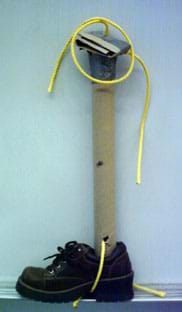
Build a Prosthetic Leg: Design a simple prosthetic leg from simple materials, keeping in mind both structure and comfort. Materials could include a toilet plunger, an old broomstick, a small baseball bat, a large sponge, an old bedsheet or other large piece of fabric, a small pillow, duct tape, twine. 

Chemical vs. Physical Changes: Start by watching the video, then download the DIY activity guide and try the experiment! The site includes lots of links with additional reading and background information. 


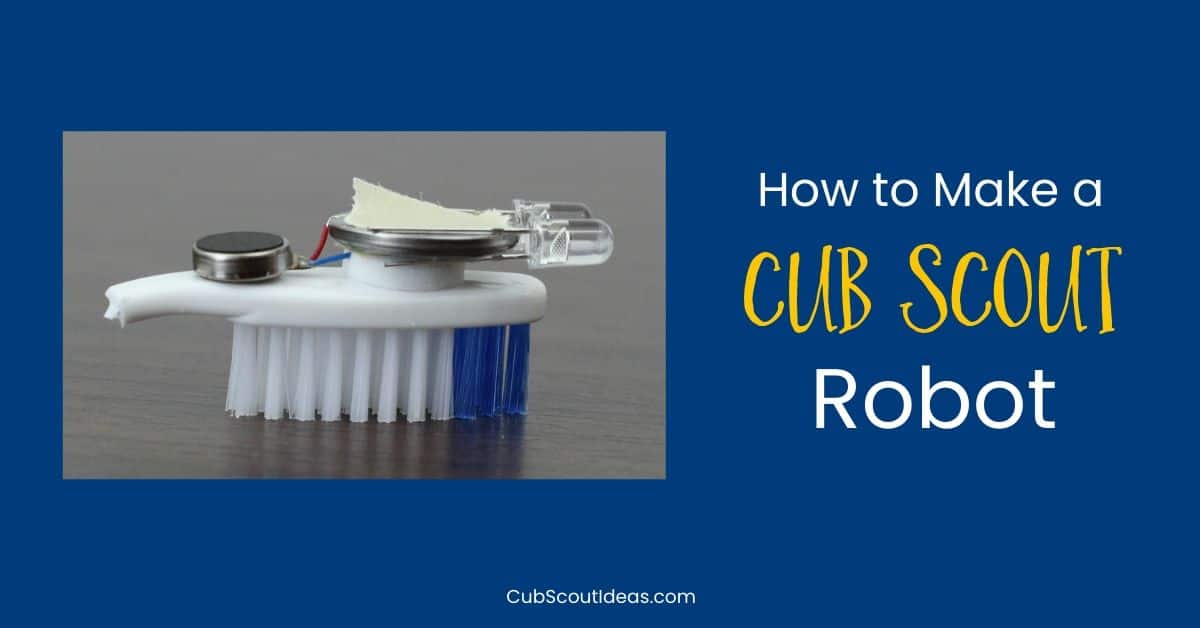
Build a Miniature Robot: You will need to order a few supplies that you probably don't have on hand: a 10mm cell phone or pager motor, a 3-volt coin battery, double-sided adhesive foam pads, and small LED lights. If you make multiple robots, you can also build them a battle arena - if not, try making an obstacle course!

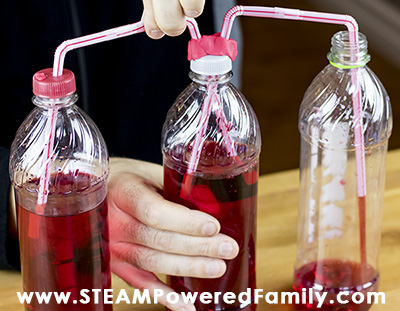
Make a Working Heart Model: You need 3 water or soda bottles (at least 2 with caps), 4 bendy straws, water, food coloring, tape, modeling clay or play dough, and something sharp and pointy to pierce the caps (a sharp pencil or a large drill bit or awl will work). Start by talking about how the heart works and listening to each other's hearts (since you probably don't have a stethoscope on hand, a paper towel tube will work in a pinch).

Make a 3-D Hologram: Start by reading about how holograms work. Then just cut out 4 pieces of clear, thin plastic as shown in the video and place on a tablet or laptop screen. So cool - and easy!

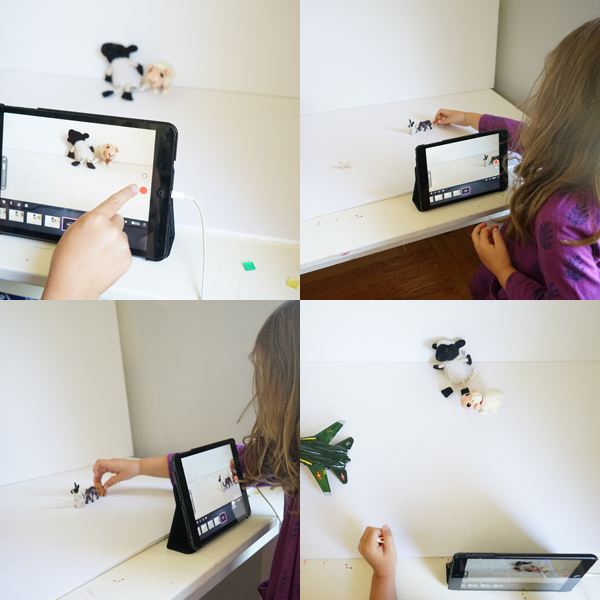
Create Stop-Motion Animation: If you have a tablet computer and are willing to download a free animation app (Stop Motion Studio is one, but there are others out there), this is a fun project, especially if kids use their favorite dolls and figurines as the "actors". You can also paint your own backdrop, or just use a blank wall.

And let's not forget the experiment I did for my kids yesterday, illustrating capillary action!


Bookmark and Share